In Wicker Park and Bucktown, the Storefronts Rotate. This Weekend Never Does.
September 3, 2026
September 3, 2026
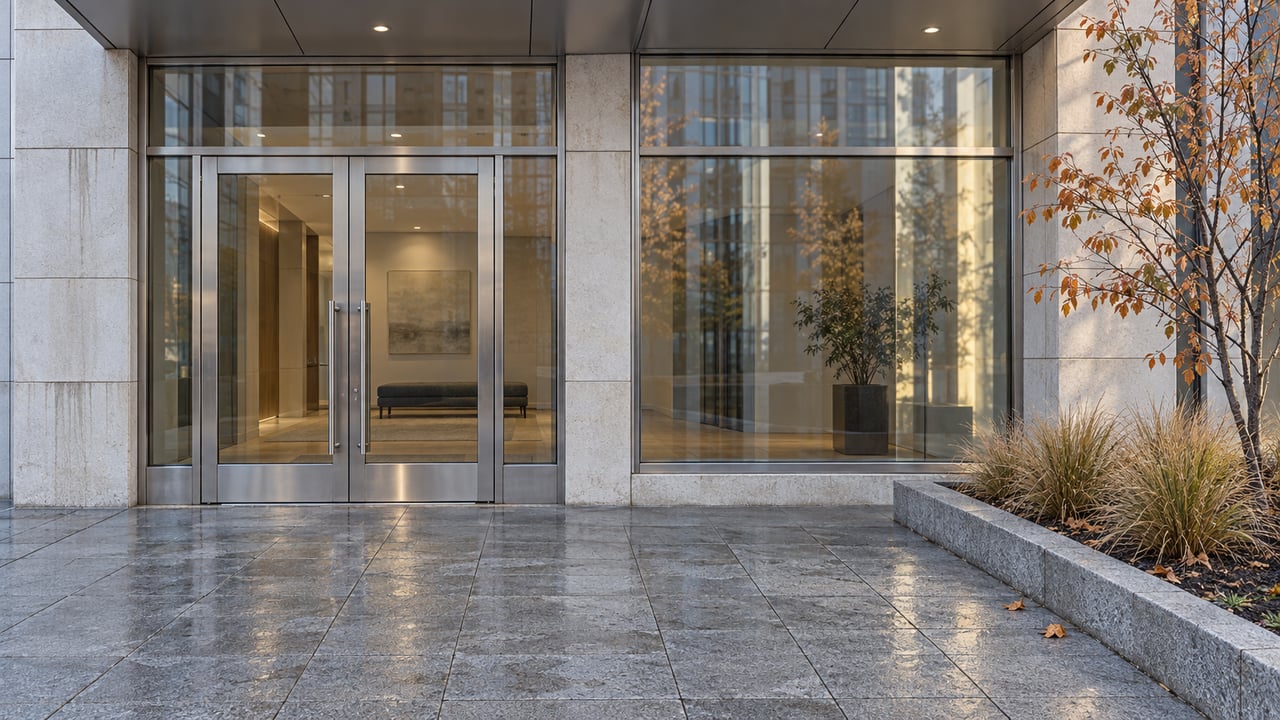
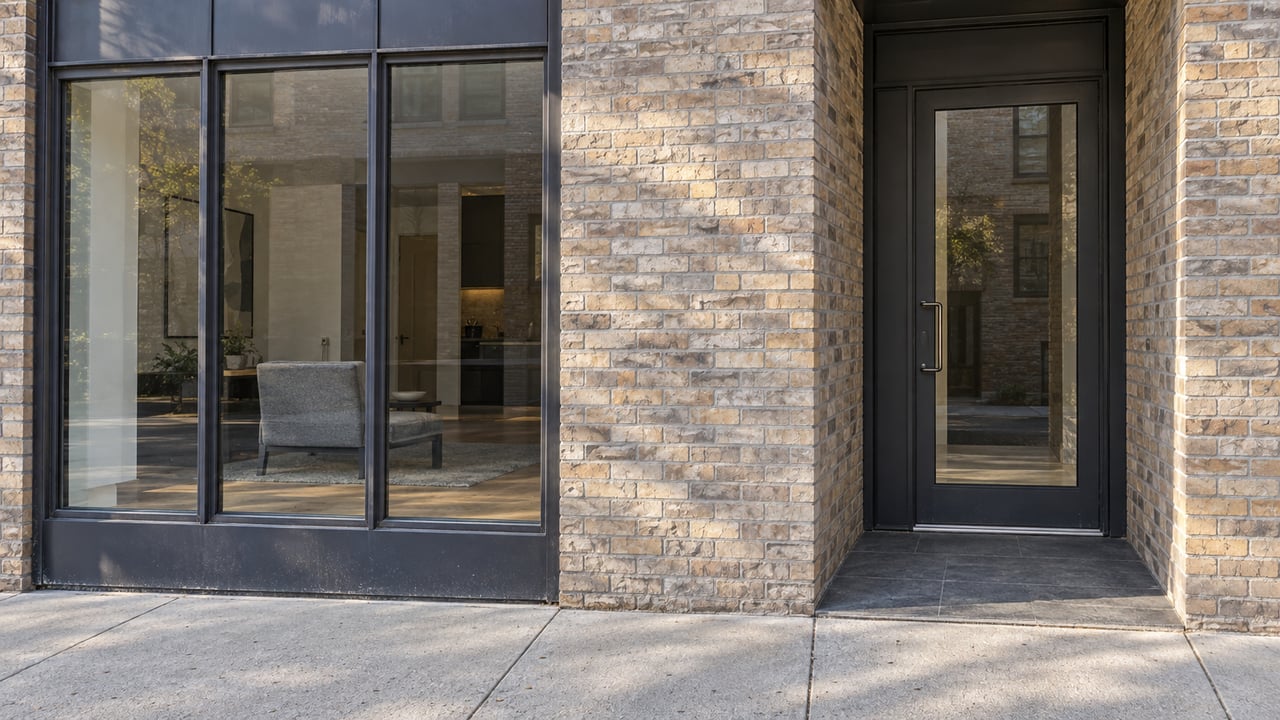
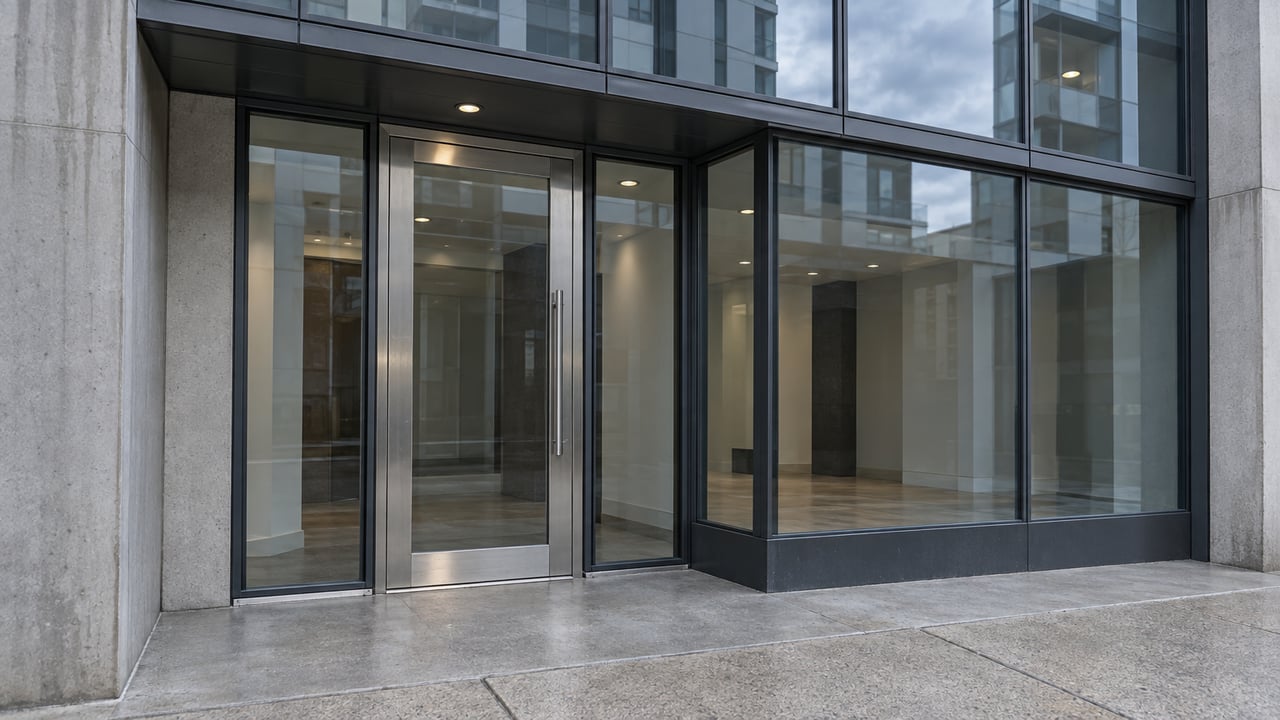
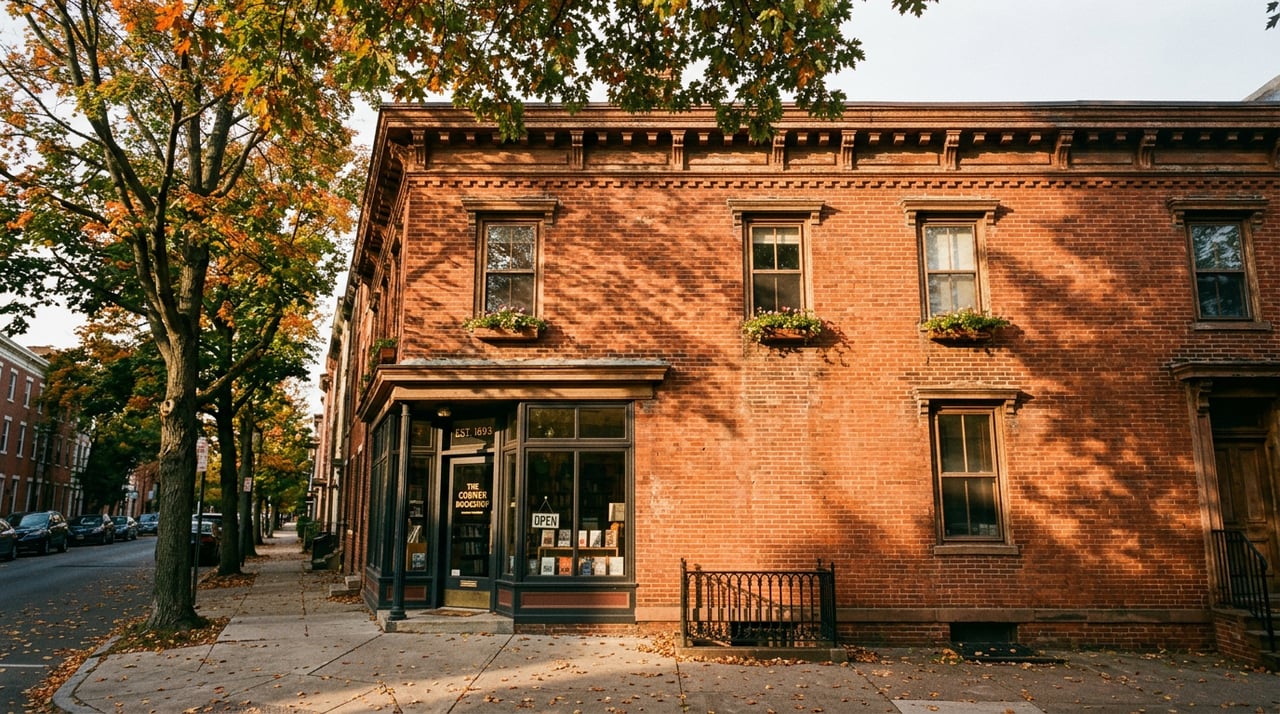
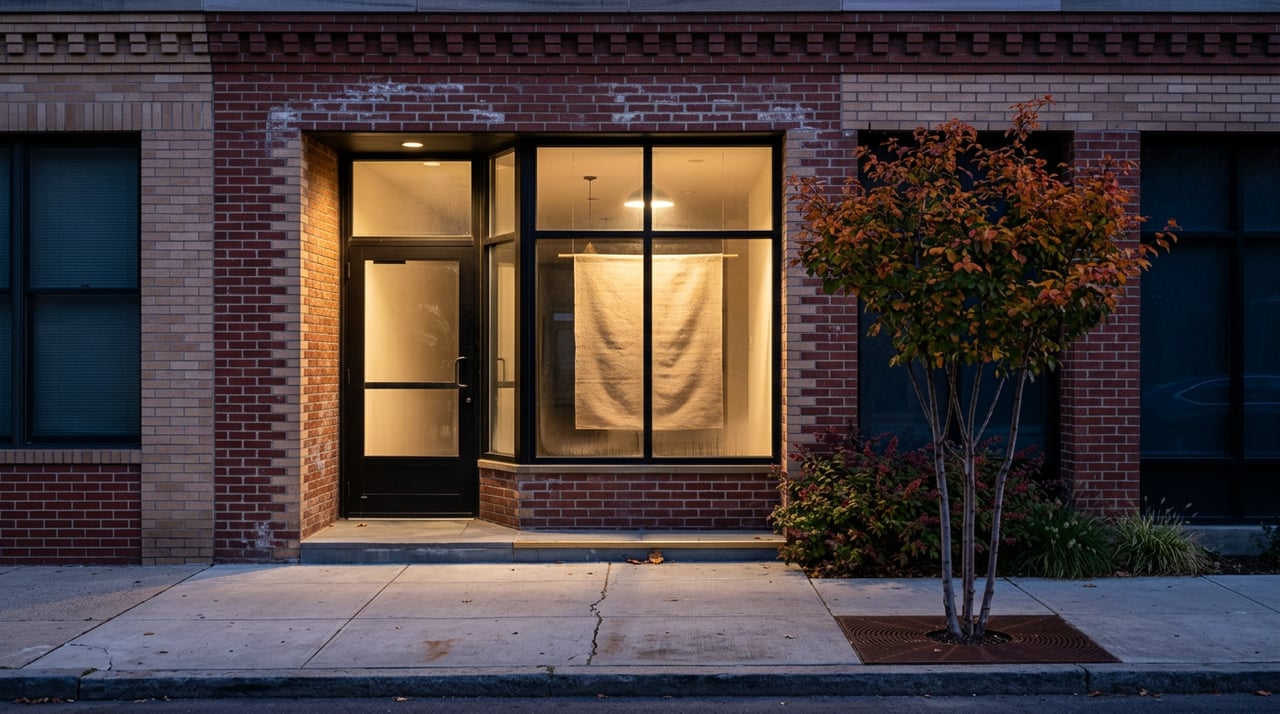
Walk down Milwaukee Avenue or cut over to Western and you'll notice the same thing longtime residents have been noticing for years: nothing at street level sits still for long. A sushi spot becomes an izakaya. A crab shack becomes a bagel-and-sandwich counter. A Yolk on Division becomes an Ann Sather. If you've lived here more than eighteen months, you've already watched this happen at least once on your own block.
So it's worth pointing out what didn't rotate this year. On August 29 and 30, Holstein Park hosted the Bucktown Arts Fest for the 39th consecutive year, run by the same volunteer structure it's had since four artists set up tables in the park during a hot summer in the 1980s. No storefront turnover. No new ownership group. No corporate name on the banner. That kind of continuity is rare enough in this neighborhood that it's actually the more interesting story than whatever opened on Western Avenue this month.
The Bucktown Arts Fest is free to attend, with no gate fee and no suggested donation at the entrance, a detail that separates it from most of Chicago's summer street festivals, many of which now charge admission or lean on corporate underwriting to cover rising production costs. This one still runs the way it did decades ago: entirely volunteer-organized, with up to 200 artists juried into booths across the park and surrounding streets, working in mediums ranging from photography and painting to ceramics, glass, and metalwork.
The fest draws an estimated 40,000 people over the two days, and the money it raises supports arts education at Holstein Park and in nearby classrooms. That's the whole business model. No sponsorship tier, no naming rights, just artists paying a booth fee that covers the festival's own costs and funds programming for kids who live within walking distance of where the booths are set up.
Compare that to almost anything else in the neighborhood that gets press attention. Restaurants here change hands. The fest has a different model: it was never built to be a business in the first place. It has continued alongside the storefronts around it as they change.
None of this is a criticism of the neighborhood's restaurant scene, which is genuinely one of the more active in the city right now. It's just useful context for why the fest reads as unusual. In the past year alone, the former Yolk space on Division closed and reopened as a new Ann Sather location, the former Wave Sushi and Sake space on Western became Jomon Sushi and Izakaya, and the former Angry Crab space on Milwaukee turned into Chicago Pickle Eatery. A brewery called Links, which occupied a Wicker Park storefront for six years before the pandemic, has been trying to reopen in the former On Tour Brewing space since late last year. Its own Instagram announcement moved the target from sometime in 2026 to late spring 2026, and that window has already passed without a reopening, so the space is still sitting there mid-buildout as of this summer.
That's four storefronts changing hands within a roughly twelve-month window, on three different streets, and that's a partial list. It's not evidence of instability so much as evidence of demand. Operators want in on Western and Milwaukee badly enough that vacant space rarely stays vacant. But it does mean that if your mental map of the neighborhood is built around specific businesses, that map needs updating more often here than in most Chicago neighborhoods.
The fest doesn't need updating. It's the one fixed point in a neighborhood that otherwise rewrites its storefronts every year or two.
There's a second piece of infrastructure in this neighborhood that behaves the same way, and it's easy to overlook because it's not a festival, it's a bike and pedestrian trail. The Bloomingdale Trail, better known as The 606, opened in 2015 on a former rail line running through Bucktown, Wicker Park, and neighboring areas. It's been drawing steady investment along its route ever since, but for most of the last decade that investment showed up as apartment buildings and renovated houses near trail access points, not as businesses built directly into the trail itself.
That changed in June 2025, when Wolf & Company opened at 1744 N. Western Ave. as the first and only private business in Chicago with direct physical access to the trail. There's a ramp connecting the second-floor cafe level straight to The 606, so a bike ride along the trail can end at a table without ever touching a sidewalk. Ten years after the trail opened, this is still the only business in the city built that way.
That's a long gap. It suggests the trail spent a decade functioning purely as public infrastructure, a place to walk the dog or commute by bike, before anyone built a commercial concept that treated it as an entrance rather than a nearby amenity. Wolf & Company is a bet that more of that is coming. Whether that bet pays off is genuinely unclear, but the fact that it took a decade for the first one to show up tells you something about how slowly this particular kind of investment moves compared to the restaurant turnover happening a few blocks away.
If the arts fest is the neighborhood's one big annual anchor, First Fridays Art Walk is the smaller version that repeats all year. Organized by the Wicker Park Bucktown Chamber of Commerce, it's a free, self-guided walk through neighborhood galleries on the first Friday evening of every month, typically running from 6 to 8 p.m. Jackson Junge Gallery on Milwaukee Avenue has been one of the consistent stops.
The fall 2026 schedule is already set:
Notice what that list doesn't depend on. It doesn't matter which restaurant closed last month or which one is about to open. The walk happens on the same schedule regardless, because it's organized around galleries and the Chamber's calendar, not around whatever happens to be trending on a given block that particular week.
If you've been reading local coverage this year, most of it has been about what's new: a pizza spot under the Western Blue Line stop, a sushi bar in a former sushi bar's old lease, a comfort-food institution relocating from Lakeview. All of that is real and worth knowing if you're deciding where to eat this weekend. But it's weather, not climate. It tells you what the neighborhood looks like this particular month.
The climate is the fest that's been running the same way for 39 years, the trail that took a decade to get its first dedicated business, and the monthly art walk that doesn't care what's open or closed around it. If you want to actually understand what makes this neighborhood feel stable despite the constant storefront churn, those are the three things to pay attention to, not the latest opening announcement.
Next September, the storefronts on Western and Milwaukee will probably look at least a little different again. Holstein Park will probably still be running its arts fest the same volunteer way it always has, and First Fridays will still be happening on schedule. That's not a small thing. In a neighborhood that changes this often at street level, knowing what actually stays put is its own kind of local knowledge.
If you're thinking about where in Chicago that kind of neighborhood rhythm fits your life, The Michael Scavo Group spends its time on the ground in exactly these blocks, from Wicker Park and Bucktown to River North and the Gold Coast. Reach out when you're ready to see what fits.
Stay up to date on the latest real estate trends.