Old Town Oktoberfest Chicago 2026: New Fest, Deep Roots
September 10, 2026
September 10, 2026
Last September, a stretch of North Wells Street that most people know for improv shows and antique storefronts filled with the smell of bratwurst and the sound of a brass band playing oom-pah under string lights. It was the first Old Town Oktoberfest, and by the second night, neighbors who'd lived there for twenty years were doing stein-holding contests next to people who'd moved in six months earlier. Nobody seemed to notice it was brand new. That's the part worth sitting with as the second one lands on the calendar for September 18 through 20, 2026, because a one-year-old street fest doesn't usually feel like it's been there forever. This one does, and the reason has less to do with marketing than with what was already sitting under the surface of the neighborhood before the first stein was ever poured.
The Old Town Merchants and Residents Association built its inaugural Oktoberfest in September 2025 as a straightforward bet: give the neighborhood a fall counterpart to the Wells Street Art Festival it already runs every June. The debut ran on a five-dollar suggested donation at the gate. OTMRA is bringing it back bigger for 2026, with a full weekend of programming and at least one entirely new addition.
What makes the return interesting isn't that it grew. New festivals grow or they don't happen again. What's interesting is that Old Town didn't need to invent a German theme to make this feel authentic. The neighborhood was Chicago's first German settlement, going back to German immigrants who started farming the marshland north of North Avenue in the 1830s, land neighbors nicknamed the Cabbage Patch for the celery, potatoes, and cabbage that came out of it. A festival built around bratwurst and brass bands isn't costuming a neighborhood in someone else's identity. It's handing Old Town back something that was already its own.
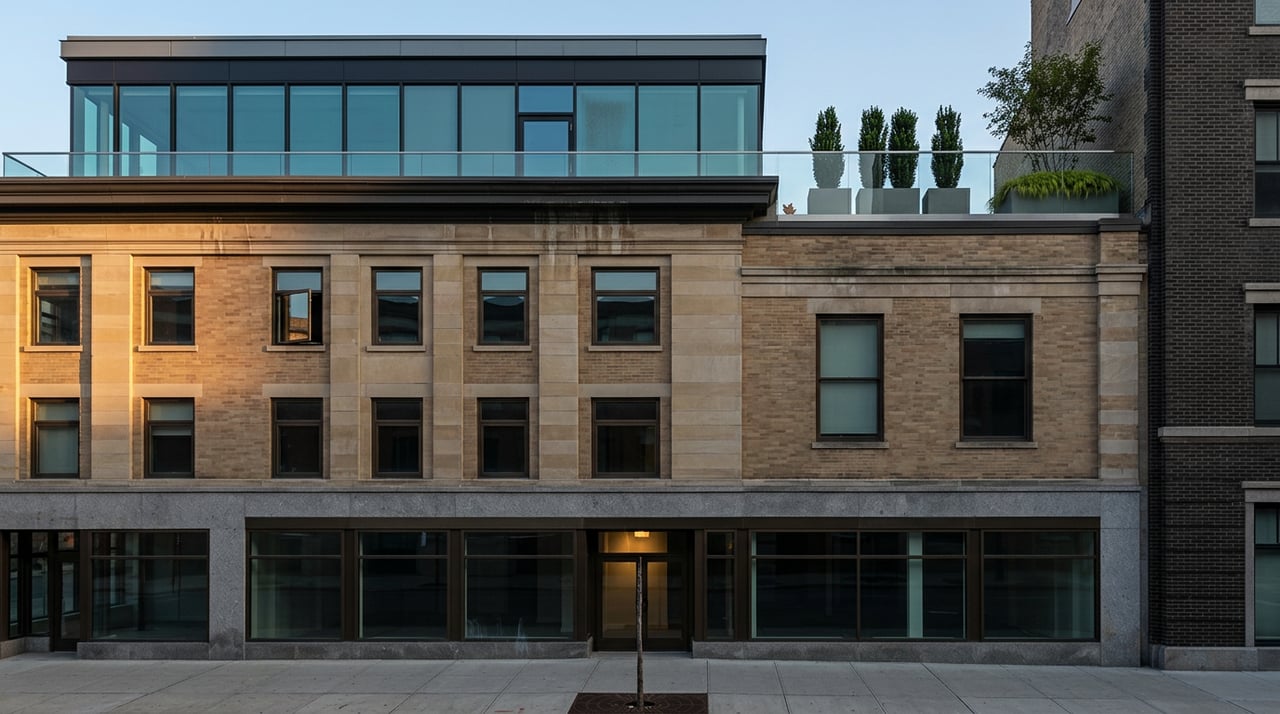
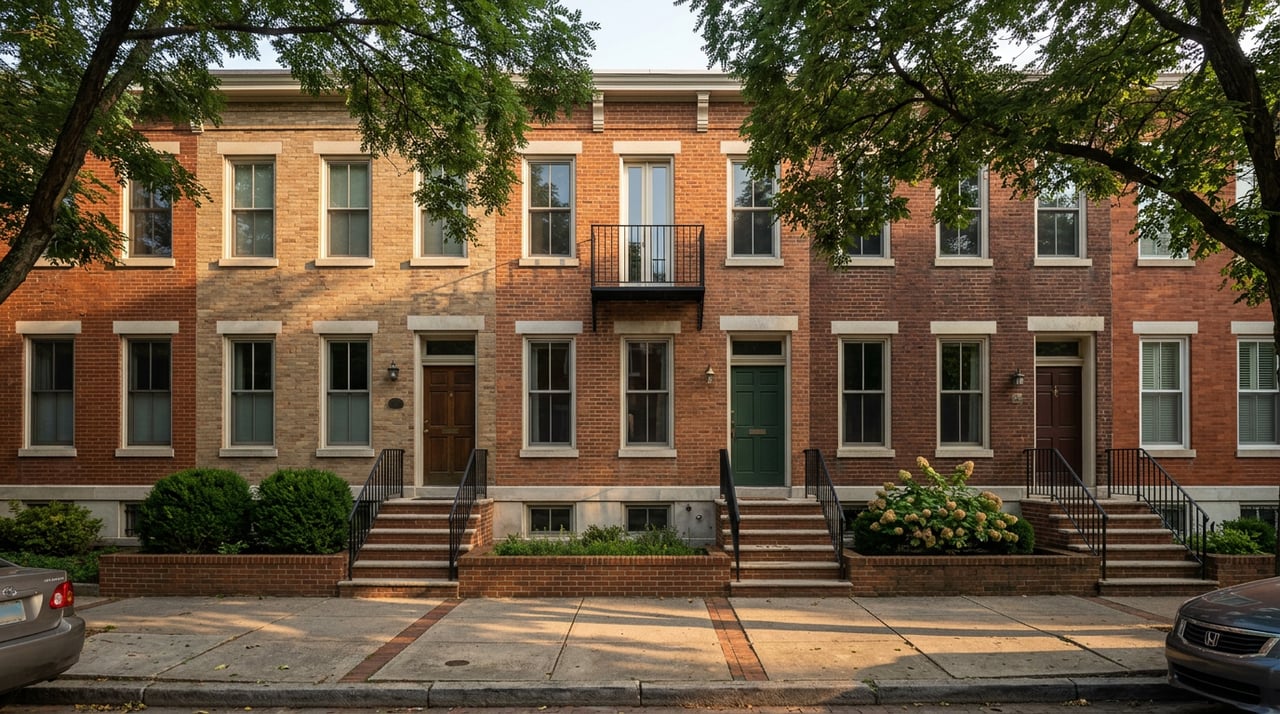
The festival sets up on the 1300 block of North Wells, directly across from Cobbler Square Lofts, the residential conversion of the old Dr. Scholl's shoe factory. That's a useful anchor if you're trying to picture where the crowd spills out to versus where the sidewalk stays clear.
Hours run Friday from 5 to 10 p.m., Saturday from late morning to 10 p.m., and Sunday from late morning until 8 p.m. The food menu leans hard into the theme: bratwurst with sauerkraut, soft pretzels, potato pancakes, fried cheese, taffy apples, funnel cake, and both Paulaner Munich beer and hot spiced wine for anyone skipping the stein-holding line. Masskrugstemmen, the stein-holding contest that's become the festival's signature bit, runs in multiple rounds across all three days, and sign-ups happen in person at the OTMRA booth rather than online, so show up early if you want a shot.
The music runs wider than a strict German lineup. Four Star Brass Band anchors the traditional side of things, and this year's bill also includes a Red Hot Chili Peppers tribute act called Funky Monks and a live band karaoke set where anyone in the crowd can grab the mic. It's less a purist's Oktoberfest and more a neighborhood block party that happens to be wearing lederhosen.
The genuinely new piece for 2026 is the first-ever Oktoberfest Doggie Parade, set for 11 a.m. Sunday. Dogs compete in three named weight classes: Wee Wieners, Pretzel Pups, and Big Bratwursts. Costumes are optional but the organizers are clearly hoping for lederhosen on golden retrievers.
Getting there without a car is straightforward. The Brown and Purple Line stop at Sedgwick, the Red Line stops at Division, and the Blue Line stops at Clybourn, all within a walk of the festival grounds. Bus routes along North Avenue, Division, Clark, and LaSalle also run close by, which matters more than usual once parking near Wells Street tightens up for the weekend.
Here's the detail that separates this from a theme night at a bar. Walk two minutes off the festival footprint and you're standing in front of businesses that predate the fest by more than a century. House of Glunz, founded in 1888 by Louis Glunz Sr. after he emigrated from Westphalia, is the oldest family-owned wine shop in the United States, and it's still operating in Old Town. A few blocks over on Sedgwick is where Oscar and Gottfried Mayer, German immigrants themselves, opened a small butcher and sausage shop in 1883 that eventually became Oscar Mayer. St. Michael's Church, built by Bavarian parishioners, is one of only seven structures in the city that survived the Great Chicago Fire of 1871.
None of that is festival trivia dressed up to sound deep. It's the actual reason a one-year-old event doesn't feel like a stunt. The bratwurst on Wells Street this September is standing in a neighborhood where German immigrants established businesses, including butcher and wine shops, in the decades after the Fire. OTMRA didn't manufacture an identity for this festival. It surfaced one that was already sitting in the storefronts.
That distinction matters if you've lived here a while and felt a little skeptical the first time you saw "Old Town Oktoberfest" on a flyer, wondering if it was another manufactured street fest chasing foot traffic. It isn't competing with the neighborhood's history. It's the neighborhood's history finally getting its own weekend on the calendar, the same way the Wells Street Art Festival gives the neighborhood's long-running arts colony roots a June showcase every year.
If your building sits on or near the 1300 block of Wells, plan around the noise and the crowd the way you would for any street closure weekend. Businesses along the corridor generally stay open and lean into the crowd rather than fighting it, so it's worth setting aside time that weekend to support the shops and restaurants absorbing three days of foot traffic without a dedicated festival booth of their own.
If you've got a dog and a costume with any lederhosen energy, Sunday at 11 a.m. is now on your calendar whether you planned it or not. If you're the type who shows up for a food festival and leaves within the hour, budget more time this year. A festival that adds a dog parade in its second year is signaling it wants to become a full-day fixture, not a quick photo-op.
And if you're newer to the neighborhood and have wondered why Old Town feels different from Lincoln Park or the Gold Coast despite sitting right between them, this festival is as good an answer as any. The neighborhood has spent nearly two centuries being a place where a specific immigrant community built butcher shops, wine merchants, and churches that are still standing. A festival that leans into that isn't inventing a personality for Old Town. It's just the first time in a while that personality got a stage on Wells Street instead of staying tucked inside a shop that's been there since 1888.
Whether you're heading down for a pretzel later this month, entering your dog in the Pretzel Pups category, or just watching the crowd from your window when the festival lands on Wells Street, that's the kind of neighborhood texture worth knowing before you need it for anything transactional. The Michael Scavo Group tracks what's actually happening block by block across Old Town and the rest of downtown Chicago, because knowing the difference between a manufactured street fest and a neighborhood finally getting its due is exactly the kind of local read that matters when you're ready to talk about a move.
Stay up to date on the latest real estate trends.