Lincoln Park High-Rise Vs Walk-Up Living: Pros And Cons
June 18, 2026
June 18, 2026
If you are torn between a sleek high-rise and a classic walk-up in Lincoln Park, you are not alone. This neighborhood gives you two very different ways to live, and both come with real advantages. The key is figuring out which setup fits your budget, routine, and what you want day to day from your home. Let’s break it down.
Lincoln Park offers one of the broadest housing mixes in Chicago. In the same neighborhood, you can find historic masonry row houses, vintage courtyard buildings, older low-rise apartments, and newer amenity-rich towers.
That range is part of what makes Lincoln Park so appealing. You are not choosing whether to live in a great neighborhood. You are choosing how you want to experience it.
The neighborhood also has strong built-in appeal. Lincoln Park itself spans 1,214 acres and draws more than 20 million visitors each year, while nearby amenities include the Lakefront Trail, Lincoln Park Zoo, Lincoln Park Conservatory, North Avenue Beach, the Peggy Notebaert Nature Museum, and the Chicago History Museum.
Getting around is another plus. The area is served by the CTA Brown, Red, and Purple lines, along with bus routes, which gives renters and buyers a lot of flexibility when comparing buildings and blocks.
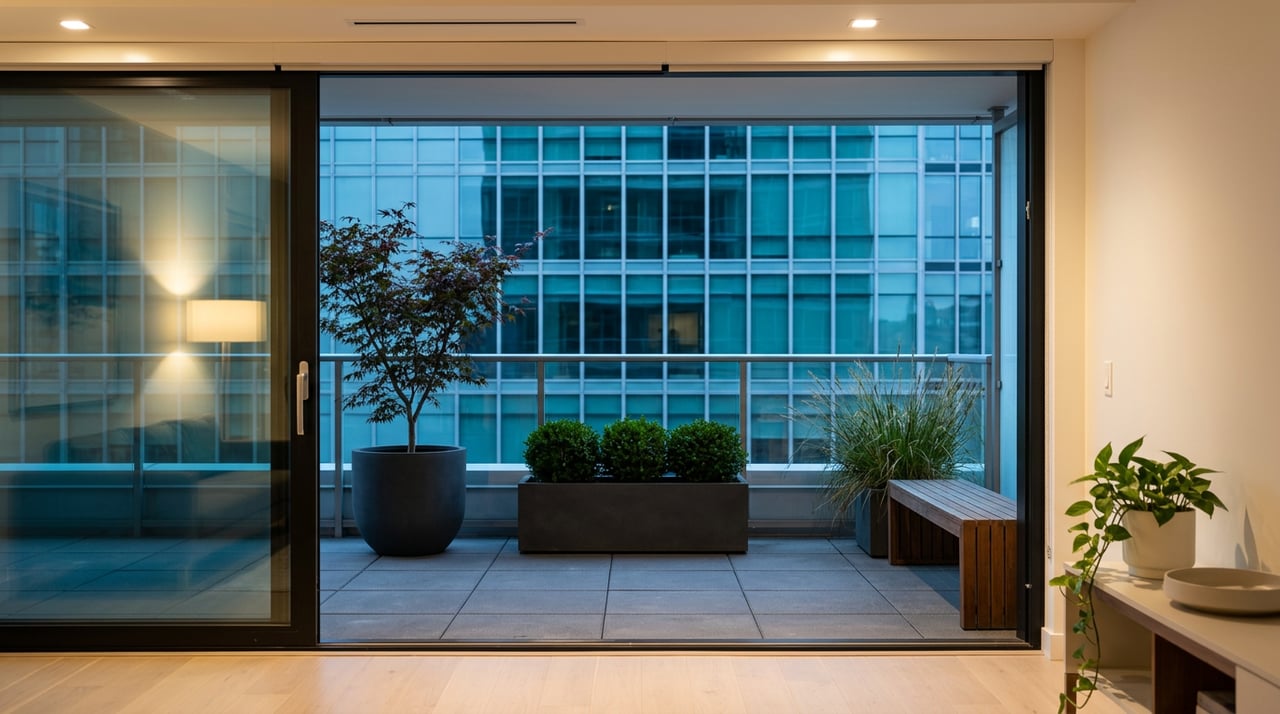
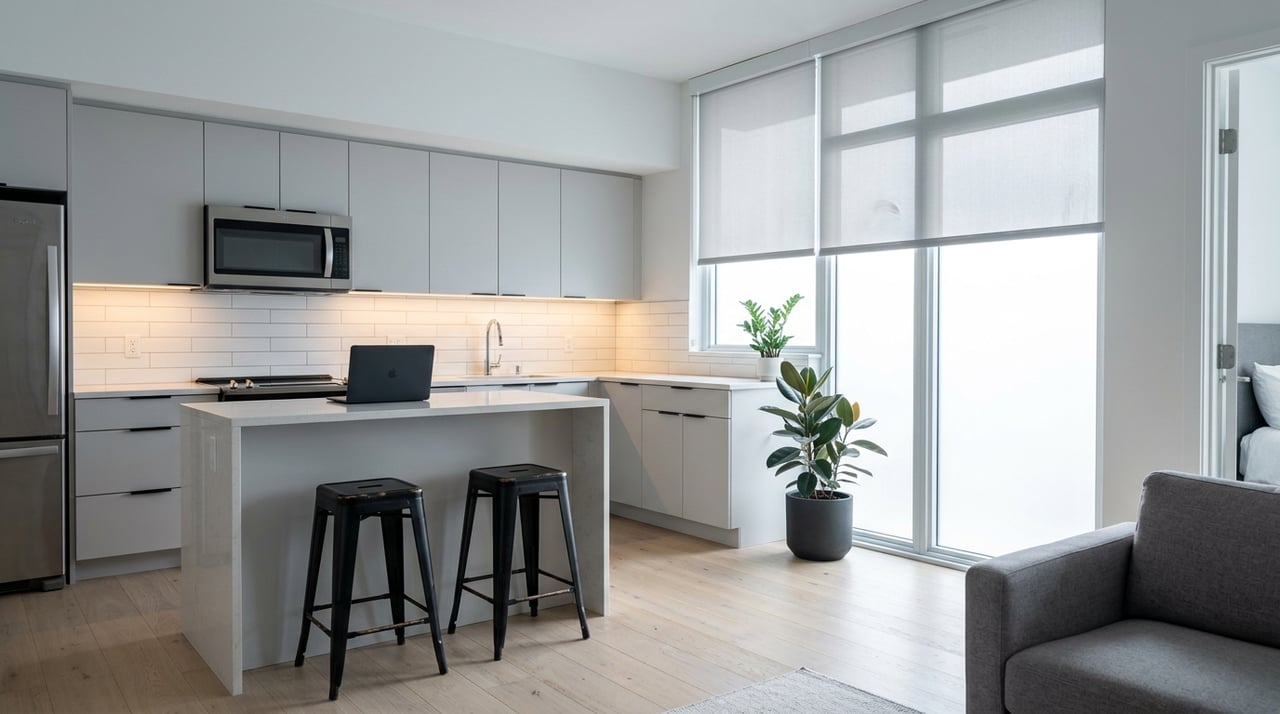
In Lincoln Park, high-rise living is often tied to the park and lakefront edge of the neighborhood. These buildings tend to stand out for their views, elevators, parking options, and shared amenities.
Examples in the area show what that lifestyle can look like. Amenity packages may include fitness centers, rooftop sundecks, grilling areas, lounges, wine storage, or underground parking, depending on the building.
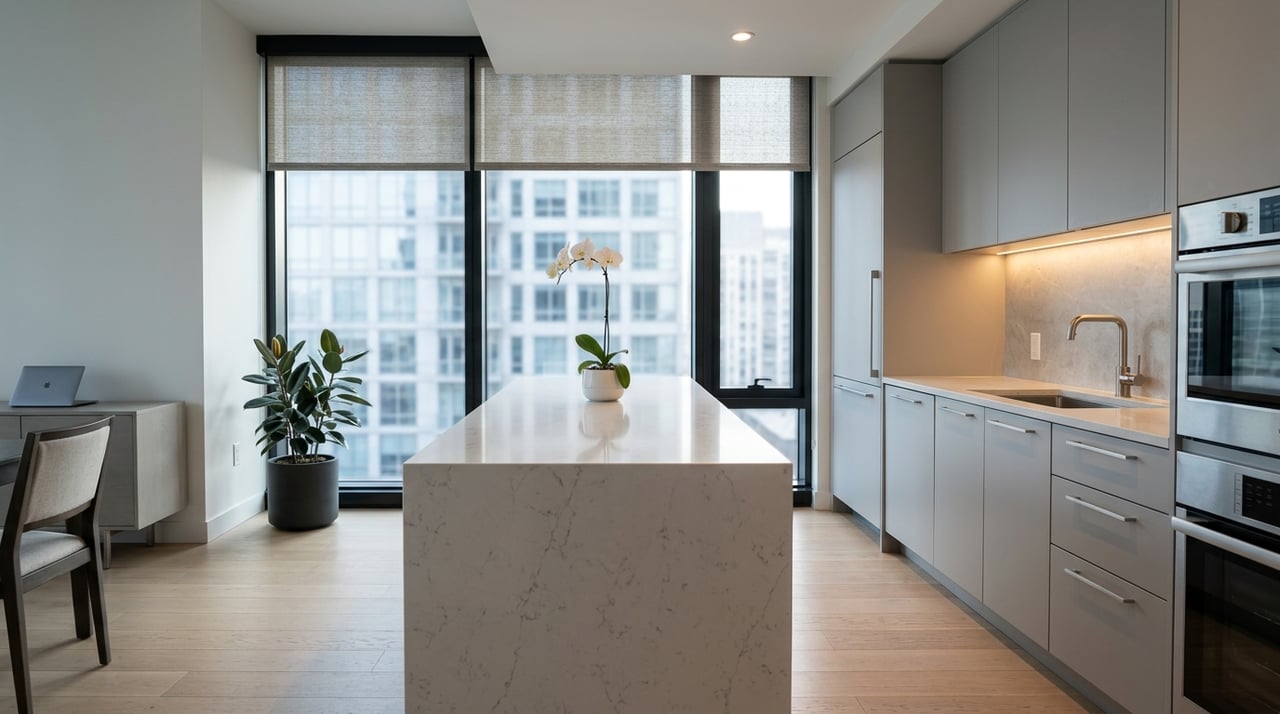
For many people, that creates a more turnkey experience. If you want convenience and a more service-oriented setup, a high-rise may feel easy from the moment you move in.
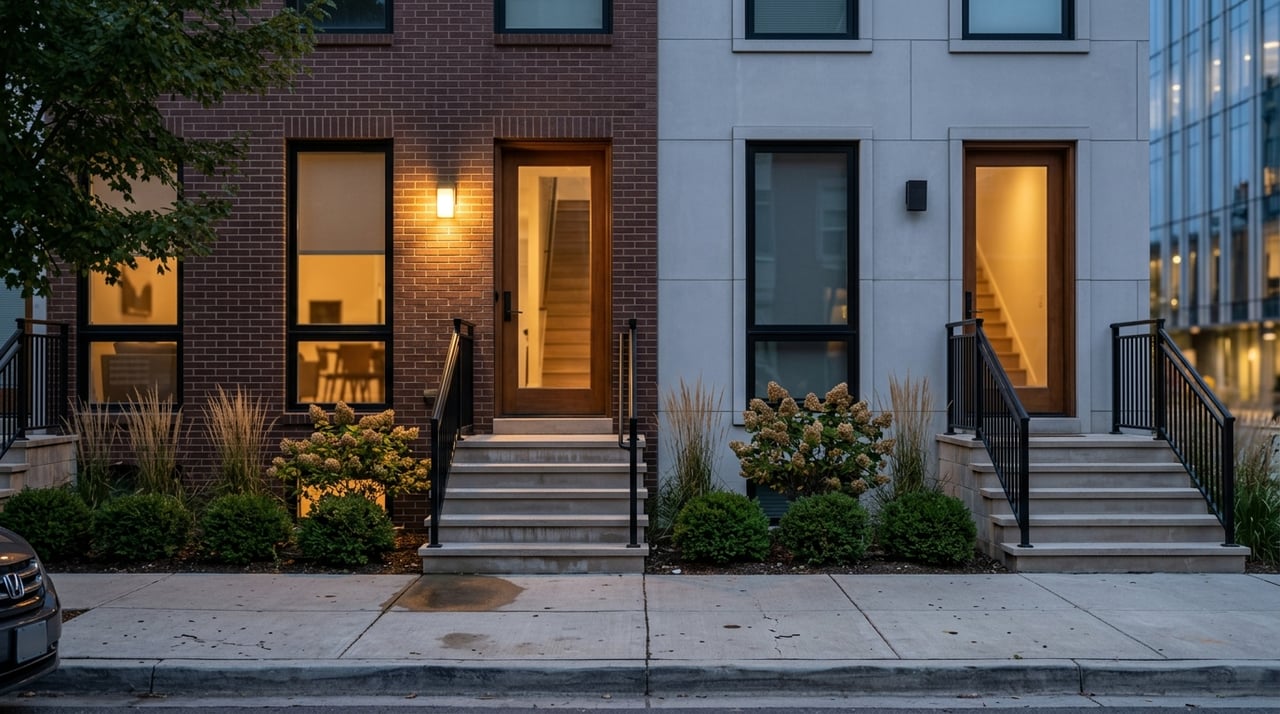
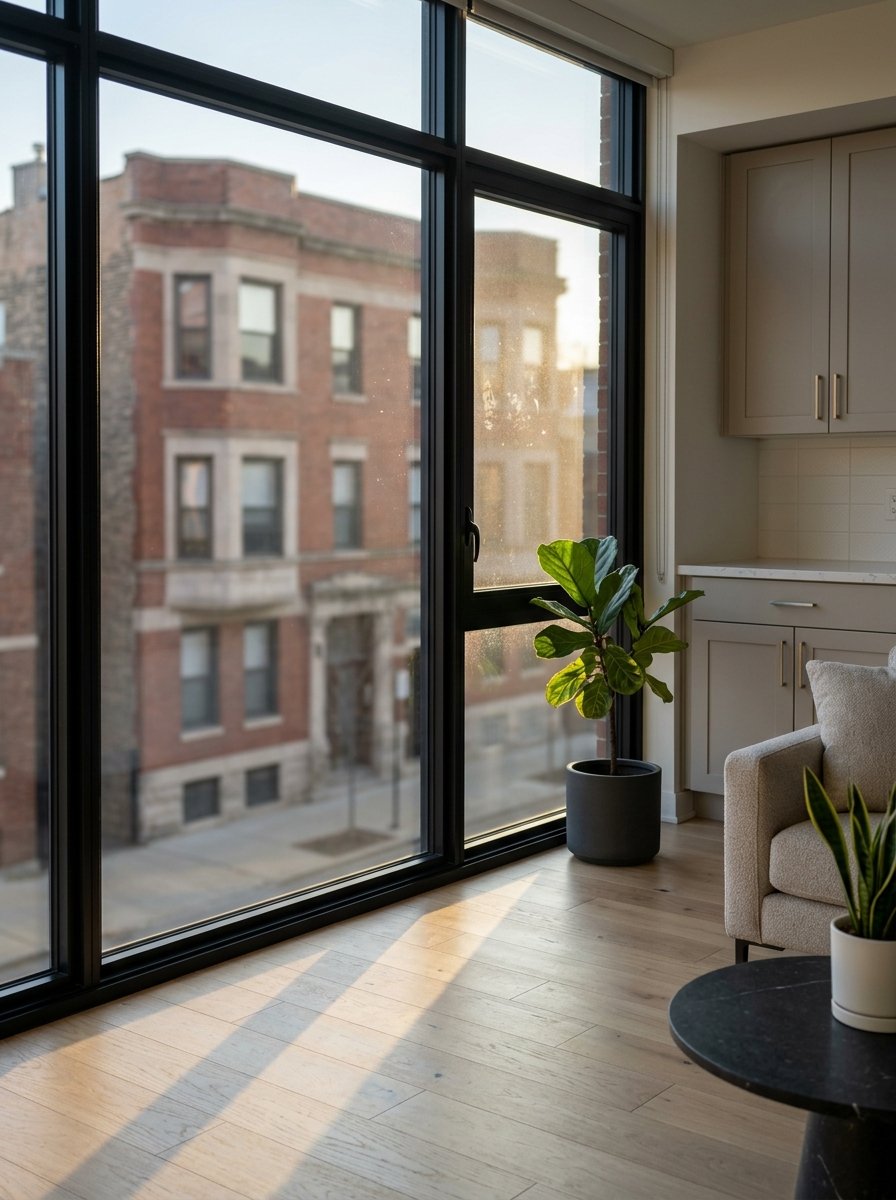
Walk-up living in Lincoln Park usually means a lower-rise, more historic building experience. Many blocks are shaped by preserved masonry buildings, vintage courtyard properties, and older row-house streetscapes that give the neighborhood much of its architectural character.
This style often feels more traditional and more residential. If you picture classic Chicago charm rather than a full-service tower, a walk-up may be closer to what you want.
That does not mean every walk-up is the same. In Lincoln Park, building age, renovation level, and unit layout can vary a lot, so the individual unit matters as much as the building type.
Lincoln Park is a premium neighborhood no matter which path you choose. Recent market snapshots show average home value at $668,994, while median sale price was reported around $849,714 over the last three months.
On the rental side, pricing is also strong. Recent figures show average rent around $2,408, with one-bedrooms around $2,659 and two-bedrooms around $4,122.
That is why comparing a high-rise and a walk-up should go beyond the sticker price. You want to look at the full monthly number, including rent or mortgage, parking, assessments, utilities, and likely maintenance exposure.
When you weigh two options, look at:
A high-rise may cost more each month but include more convenience. A walk-up may offer more character, but you will want to confirm what is updated, what is included, and what daily tradeoffs come with the building.
One of the biggest mistakes people make is assuming high-rise means noisy and walk-up means quiet. In Lincoln Park, it is more nuanced than that.
The lakefront and park side of the neighborhood are major public destinations. With a 1,214-acre park, 7.5 miles of lakefront trails, beaches, and more than 20 million annual visitors, buildings near those areas may come with more surrounding activity.
By contrast, many interior blocks with row houses and low-rise buildings can feel more residential. That said, every building has its own sound profile, so it helps to compare not just the property type but also the exact location on the block.
The best choice usually comes down to how you live. If you want a streamlined routine, shared amenities, and a more polished turnkey feel, a high-rise may make more sense.
If you care more about character, smaller-scale living, and a classic neighborhood feel, a walk-up may be the better match. Neither is better across the board. They simply serve different priorities.
If you are buying instead of renting, Lincoln Park remains a competitive place to shop. Recent reports describe the neighborhood as very competitive, with a median of 33 days on market for homes.
Another recent snapshot found homes sold for about asking price on average. That does not mean you should rush into the wrong building type, but it does mean clarity helps.
When you know whether you want a tower lifestyle or a vintage walk-up experience, you can search more efficiently. That makes it easier to move quickly when the right property appears.
If you are still deciding, start with your daily routine instead of the listing photos. The prettiest rooftop or the cutest vintage facade matters less if the building does not support how you actually live.
Ask yourself a few simple questions:
In Lincoln Park, both high-rises and walk-ups can be great choices. The right answer is the one that matches your lifestyle, your budget, and the kind of neighborhood experience you want most.
If you want help comparing Lincoln Park rentals or condos with a clear, fast, and local perspective, The Michael Scavo Group can help you narrow your options and make the search feel a lot easier.
Stay up to date on the latest real estate trends.