Moving Solo To Old Town: Studios, One-Beds, Budgets
June 25, 2026
June 25, 2026
Moving to Old Town on your own can feel exciting and expensive at the same time. You want a place that fits your budget, your routine, and the version of city life you actually want to live, not just the one that looks good in photos. The good news is that Old Town gives solo renters real options, from older studios with lower price points to amenity-heavy towers with a very different monthly cost. If you are trying to sort out studios, one-bedrooms, and what your money really gets here, let’s dive in.
Old Town stands out because it is compact, active, and easy to navigate. The neighborhood is closely tied to Wells Street, which functions as the main commercial corridor with restaurants, bars, comedy clubs, independent theater, and bike lanes.
For a solo renter, that setup can make daily life simpler. You can live near places to eat, meet friends, and get around without depending on a car or coordinating with roommates.
Old Town also has strong transit access. CTA service nearby includes the Sedgwick station on the Brown and Purple lines, plus bus connections, and some current Old Town buildings sit about a four-minute walk from Clark and Division.
One thing that can confuse renters is that Old Town does not have one single legal boundary. The Old Town Triangle Association and the city landmark district describe the area a little differently, which helps explain why some listings feel more central to Old Town than others.
That matters when you compare rent, vibe, and convenience. A unit in the Triangle core or near interior side streets may feel different from one right off Wells Street, even if both are marketed as Old Town.
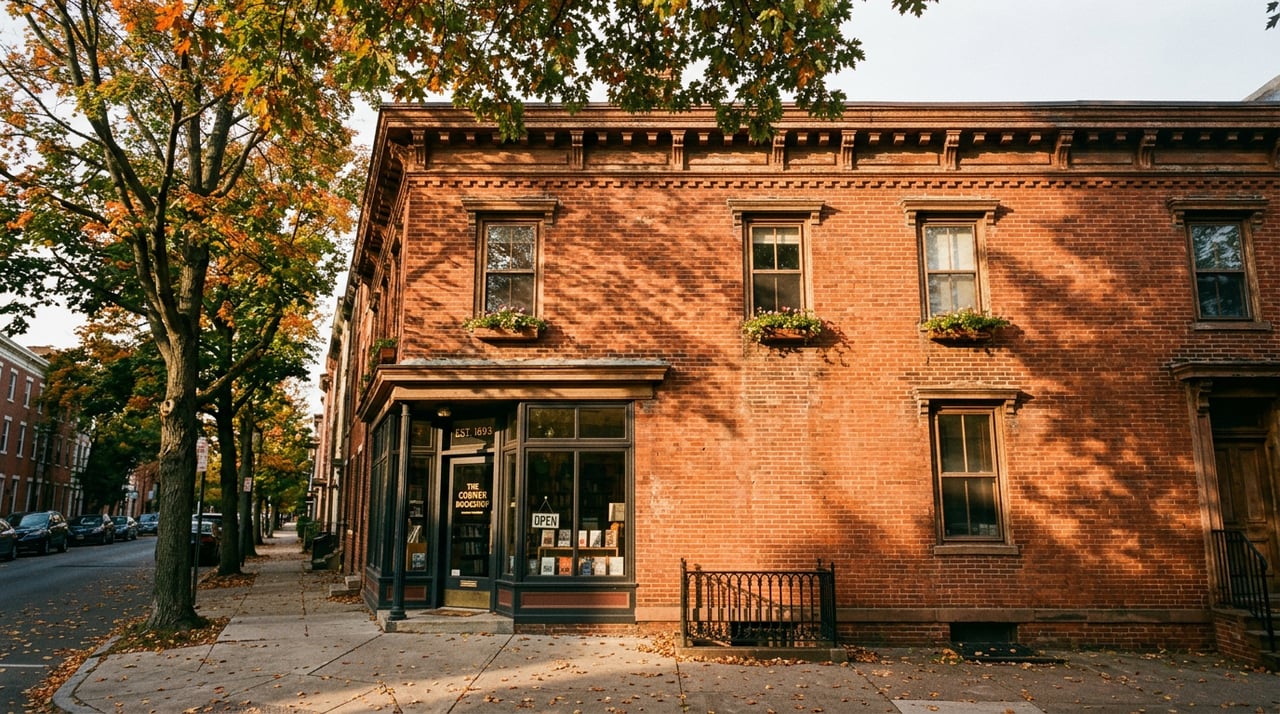
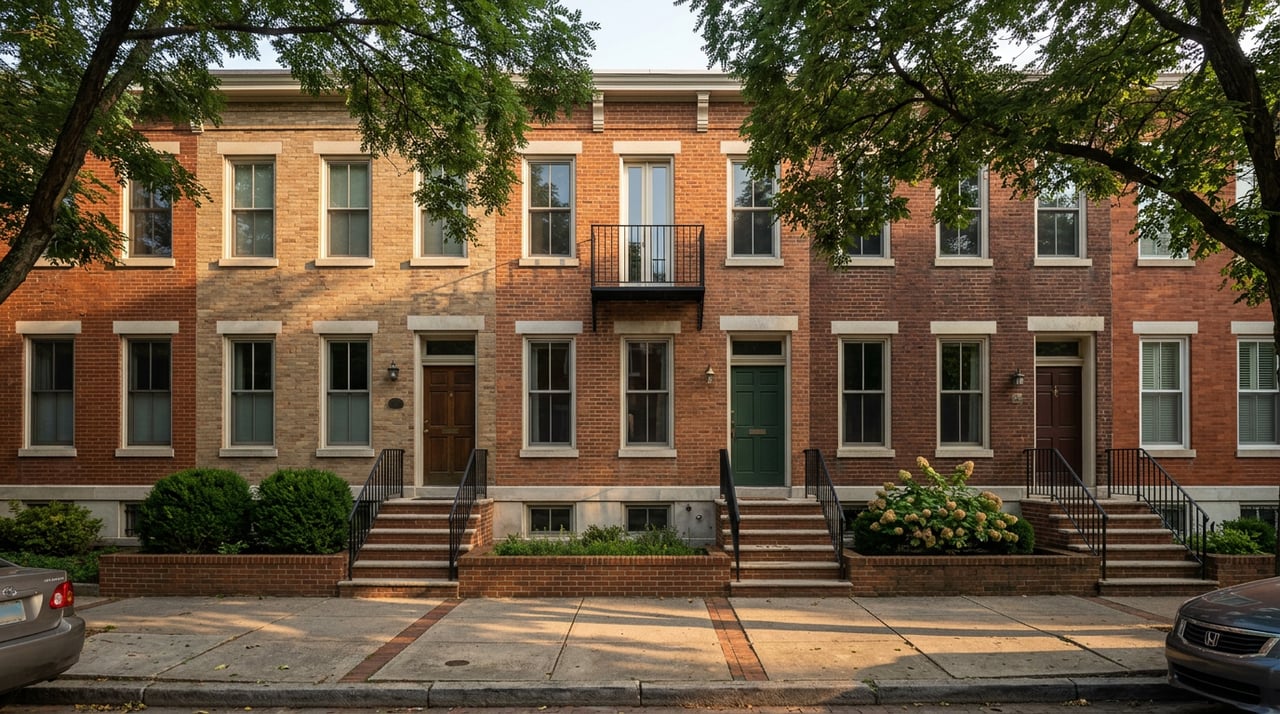
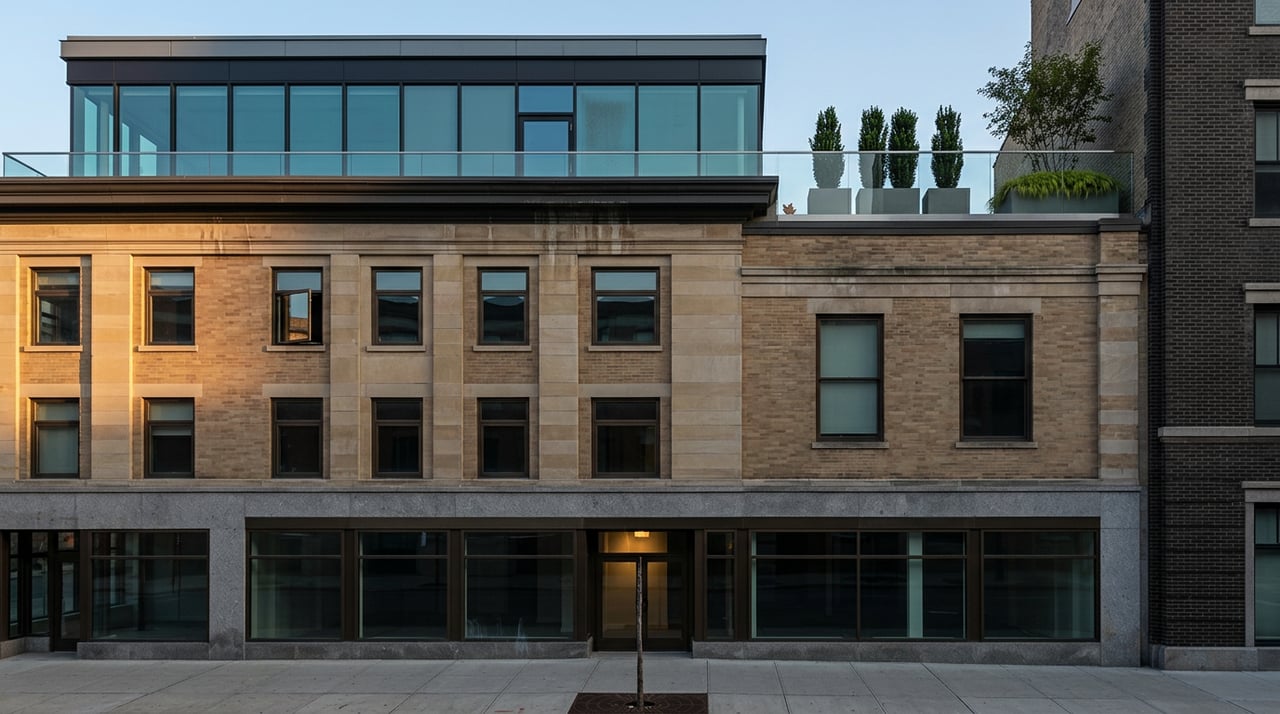
Old Town has a broad mix of housing types, and that is part of its appeal. The neighborhood’s historic development left behind cottages, rowhouses, and older apartment buildings, while today’s market also includes condo conversions, mid-rise elevator buildings, and newer high-rise towers.
For you, that means your search is not just about studio versus one-bedroom. It is also about choosing between older charm, updated mid-rise convenience, or newer full-amenity living.
Older buildings can be a smart place to start if budget is your biggest concern. In Old Town, these properties may offer smaller footprints and simpler common areas, but they can still sit in strong locations near transit and neighborhood staples.
A building like 1100 North LaSalle shows what this tier can look like. It was built in 1933 and offers studios and one-bedrooms, with remodeled units that may include in-unit laundry, dishwasher, and air conditioning, plus features like a doorman, elevator, fitness center, bike storage, and a utility package.
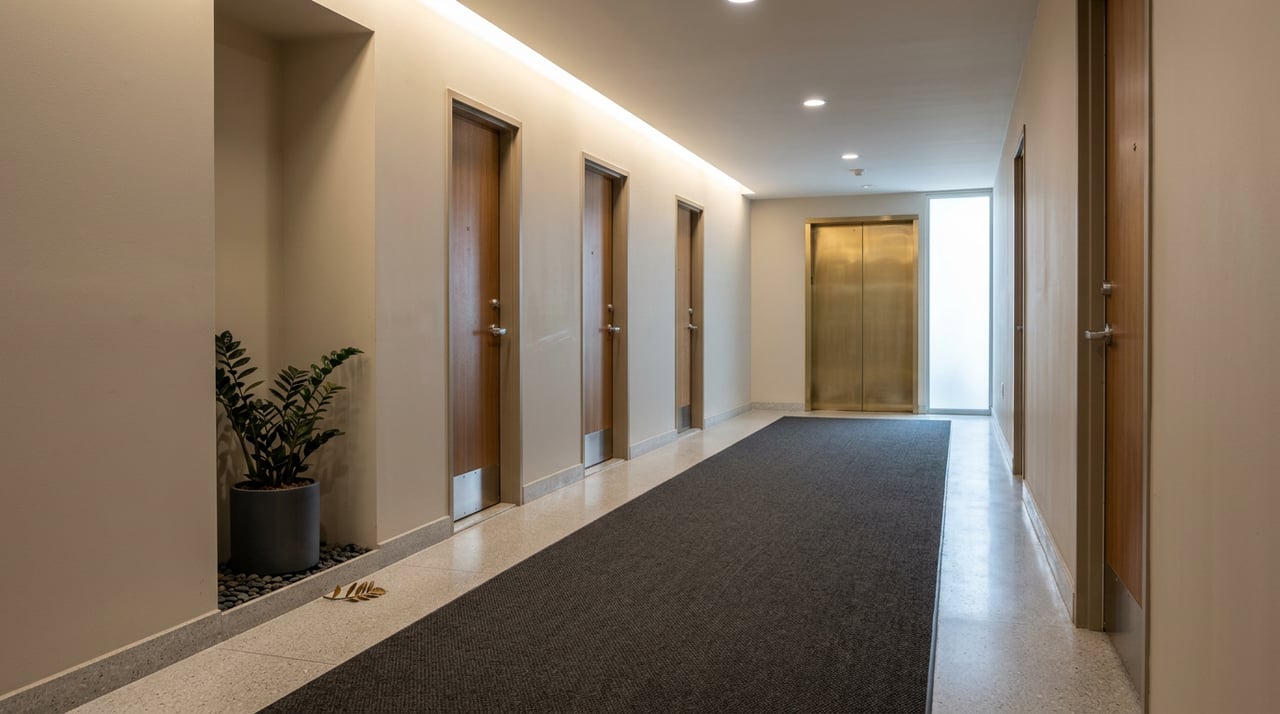
If you want more building services and newer shared spaces, Old Town also has mid-rise options in the Wells Street corridor. These properties often blend a central location with lifestyle amenities that appeal to renters living on their own.
For example, 1225 Old Town offers studios and one-bedrooms along with larger floor plans, plus amenities such as a pool deck, concierge, lounge, fitness center, movie theater, and in-unit washer and dryer. For some solo renters, that convenience can justify a higher monthly payment.
At the top end, newer high-rise buildings push further into a luxury lifestyle experience. ONE Old Town Park is one example, with studios through larger floor plans, city views, and amenities that include a pool, spa, sundeck, workspace, sports lounge, and dog park.
If you are relocating for work or upgrading your lifestyle, this tier may feel attractive. Just know that the jump in rent can be significant, especially once you factor in utilities and possible parking charges.
For solo renters, the biggest question is often whether a studio is enough or if a one-bedroom is worth the extra cost. In Old Town, that choice usually comes down to privacy, layout, and how much time you spend at home.
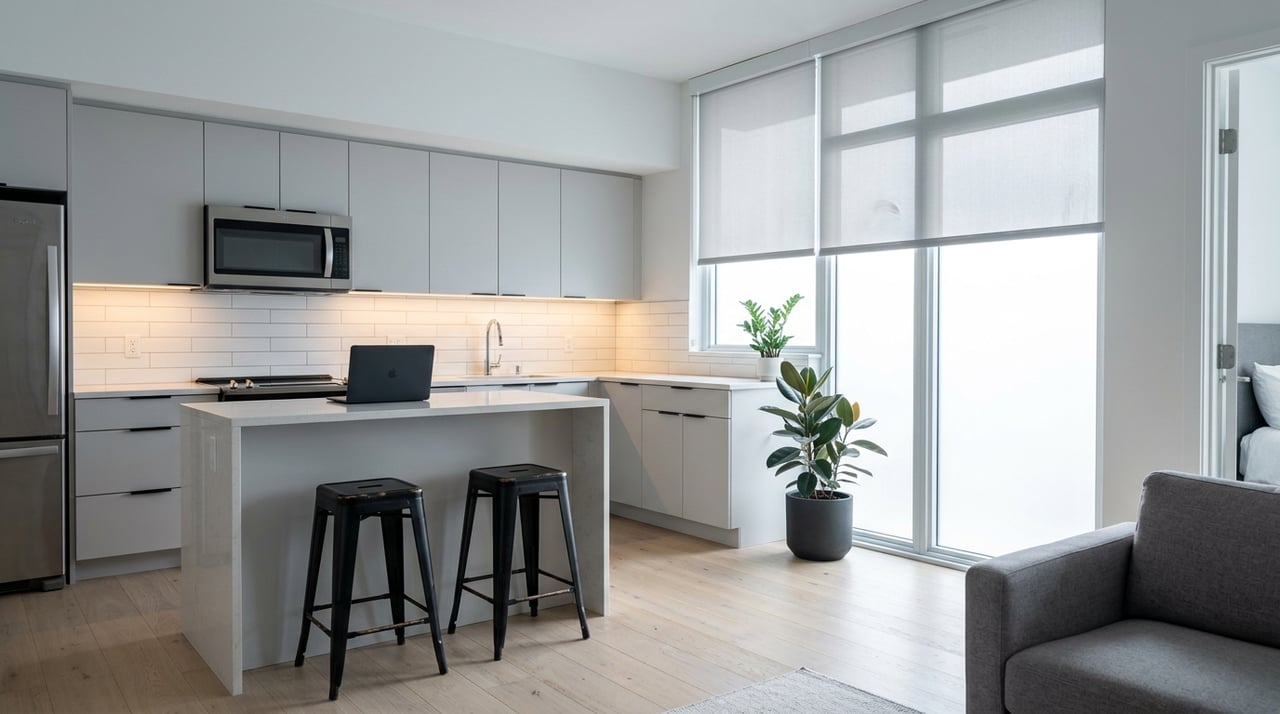
Studios tend to make the most sense if you want to prioritize location and keep your monthly cost lower than a comparable one-bedroom. They can also work well if building amenities give you extra places to work, relax, or socialize outside your apartment.
One-bedrooms usually give you more separation between living and sleeping space. If you work from home often, host guests, or simply want a more defined layout, paying more each month may feel worth it.
Current data sources vary, but they point to the same general conclusion: Old Town is a higher-priced neighborhood for solo renters compared with many other Chicago areas.
| Unit Type | Reported Old Town Range |
|---|---|
| Studio | About $2,225 to $2,573 in market trackers |
| One-bedroom | About $2,500 to $3,072 in market trackers |
| Overall average rent | About $3,072 to $3,149 |
RentCafe reports average studio rent at $2,551 and one-bedroom rent at $2,928. Apartments.com reports studios around $2,573 and one-bedrooms around $3,072, while RentHop showed lower medians in May 2026 at $2,225 for studios and $2,500 for one-bedrooms.
If you are moving solo, it helps to think in tiers. Old Town has enough variety that two apartments with the same bedroom count can feel very different in finish level, building services, and total monthly cost.
At the lower end, you may find studios around roughly $1,600 to $2,200 and one-bedrooms around about $2,100 to $2,300 in older or less amenitized buildings. The 1100 North LaSalle example helps illustrate this range, with studios listed from $1,590 to $1,790 and a one-bedroom around $2,150.
This tier can work well if your goal is simply to live in Old Town without paying for every extra amenity. It may also give you better value if some utilities are included.
The middle of the market is where many solo renters land. Think mid-$2,000s for studios and upper-$2,000s to low-$3,000s for one-bedrooms, which lines up with neighborhood-wide average rent data.
This tier often gives you a more polished building experience, better common spaces, and a central Old Town location. If you want a balance between budget and convenience, this is often the sweet spot.
In newer luxury towers, studios can start in the high $2,000s, while one-bedrooms may run from about $3,200 to nearly $5,000 or more. That price jump usually reflects newer construction, elevated finishes, city views, and large amenity packages.
This level can make sense if you highly value building services or want a very turnkey move. Just make sure the monthly number still works once all required costs are added in.
Headline rent is only part of the picture. In Old Town, the total monthly cost can shift a lot depending on whether utilities, required fees, or parking are bundled into the price.
For example, 1100 North LaSalle includes multiple utilities in its rent package. ONE Old Town Park notes that utilities are not included, and parking may be separate, while 1225 Old Town uses total monthly price badges that bundle required fees.
Before you decide a place is a deal, compare these line items:
For solo renters, this step matters because a slightly higher advertised rent may actually be more manageable if more of your monthly costs are bundled.
Old Town apartments often trade square footage for location and convenience. According to RentCafe’s June 2026 data, average studio size is about 663 square feet, while average one-bedroom size is about 711 square feet.
That gap is not huge. If you are debating between the two, it is smart to focus less on the raw number and more on how the layout functions for your daily routine.
A well-designed studio in a strong location may serve you better than a poorly laid out one-bedroom. On the other hand, if you need a real work-from-home setup, the added separation of a one-bedroom may be the smarter long-term choice.
This is one of the biggest lifestyle choices in Old Town. The closer you live to Wells Street, the more direct access you will have to the neighborhood’s restaurants, bars, comedy clubs, theater activity, and late-night energy.
That can be a huge plus if you want your social life right outside your door. It can also mean more activity, especially on busy weekends.
By contrast, interior streets in the Triangle and blocks farther from Wells are more likely to feel residential. The historic district’s narrow, tree-lined streets and older housing stock point to a calmer setting than the entertainment corridor, even though you are still close to the action.
Old Town is also event-driven. The Wells Street Art Festival and weekend activity supported by SSA 48 on-street security can make some parts of the neighborhood feel noticeably livelier during peak summer periods.
If you are trying to narrow your search, start with your real priorities instead of the apartment photos. In Old Town, the right choice often comes down to how you rank budget, layout, building amenities, and block location.
Ask yourself:
The more clearly you answer those questions, the easier it becomes to sort through Old Town listings without getting overwhelmed.
For many renters, Old Town hits a useful middle ground. It has neighborhood character, active commercial streets, and practical transit access, while still offering enough housing variety to fit different solo renter goals.
If you are moving out on your own for the first time, it can be a strong place to start. You can choose a more budget-conscious older building, stretch into a one-bedroom for more privacy, or go all in on a full-amenity tower if convenience is your top priority.
The key is knowing that Old Town is not one-size-fits-all. Your experience can feel very different depending on the building type, the block, and how carefully you compare total monthly cost.
If you want help sorting through Old Town studios and one-bedrooms, building by building, The Michael Scavo Group can help you move faster with a transparent, concierge-style apartment search.
Stay up to date on the latest real estate trends.