What It’s Like To Live Near West Loop’s Restaurant Row
July 23, 2026
July 23, 2026
If you love the idea of stepping outside and being minutes from some of Chicago’s most talked-about dining, living near West Loop’s Restaurant Row can feel like a dream. At the same time, the same energy that makes Randolph Street and nearby Fulton Market exciting can shape your day-to-day life in very real ways. If you are thinking about renting or buying in this part of Chicago, here’s what you can actually expect from the lifestyle, housing, and tradeoffs. Let’s dive in.
Living near Restaurant Row means you are close to one of Chicago’s best-known food corridors. Randolph Street is widely recognized for its concentration of restaurants, bars, patios, and nightlife, while nearby Fulton Market adds more dining and hospitality in former warehouse spaces.
That creates a neighborhood feel that is active, social, and very urban. Instead of a quiet pocket with a few places to eat, you are living near a destination area that draws locals and visitors throughout the week.
For many residents, the biggest appeal is simple: convenience. You can be close to restaurants, coffee spots, bars, and transit without planning your whole evening around a car ride or a long trip across the city.
But there is another side to that convenience. Because the corridor is packed with restaurants and nightlife, it often comes with heavier foot traffic, rideshare activity, deliveries, and more ambient street noise than a quieter residential block.
If you like a lively neighborhood that still feels active after work, this can be a huge plus. If you want calm streets and early nights right outside your front door, living on or very near the main corridor may feel intense.
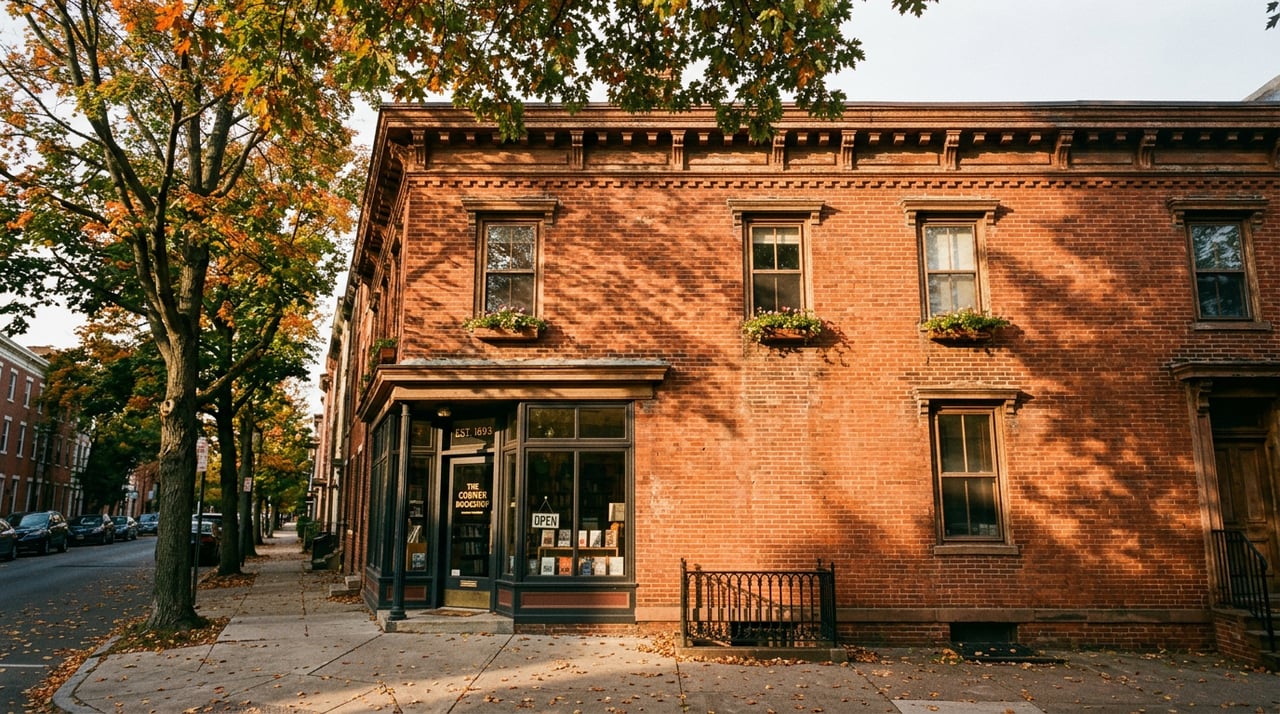
Randolph Street and Fulton Market are close together, but they do not feel exactly the same. Randolph’s Restaurant Row is known for its dense lineup of dining and nightlife, while Fulton Market blends that energy with a strong industrial backdrop and a major wave of mixed-use development.
The area’s history still shows up in the streetscape. The City of Chicago identifies the Fulton-Randolph Market Landmark District as a 74-acre district with 142 properties and 86 contributing buildings, which helps explain why the neighborhood feels layered rather than uniform.
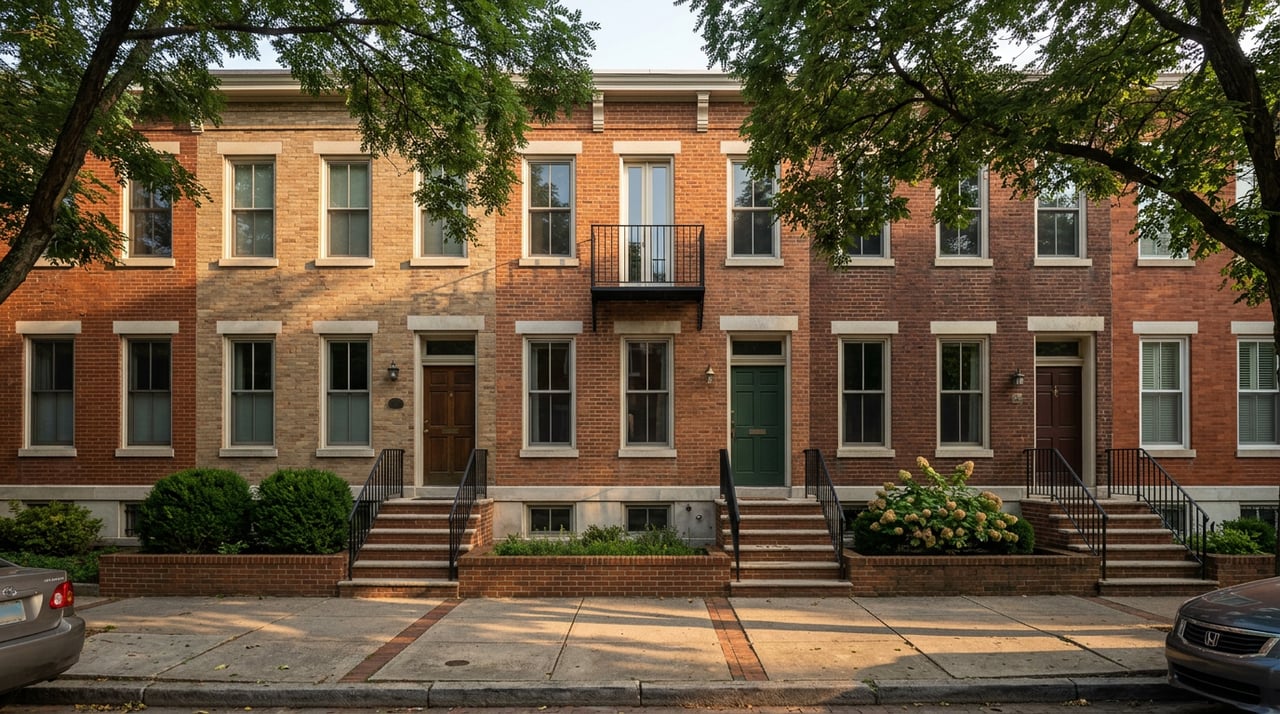
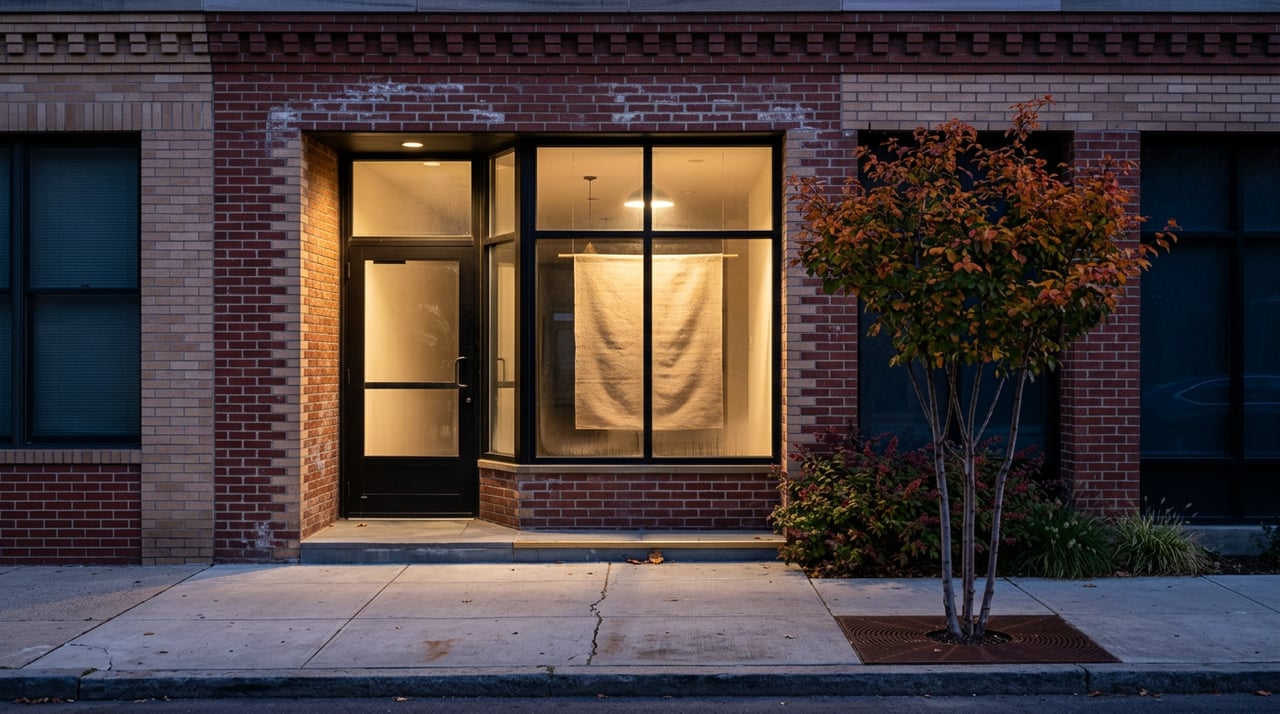
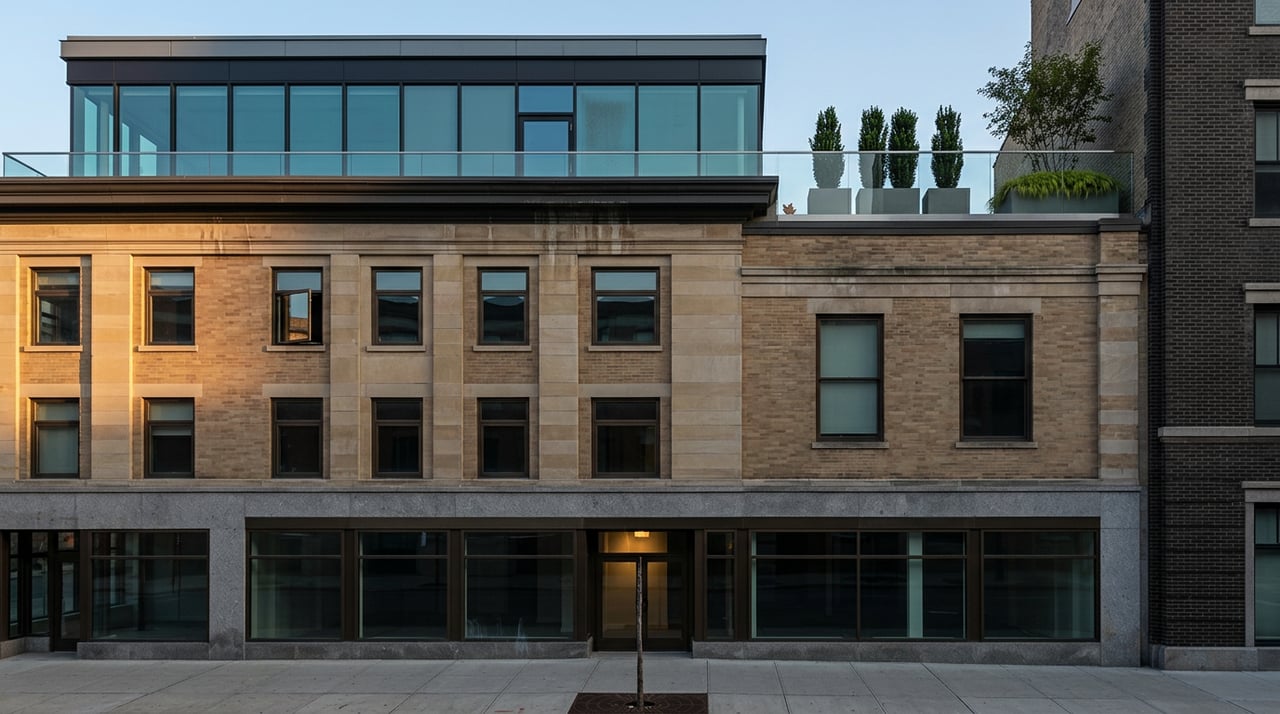
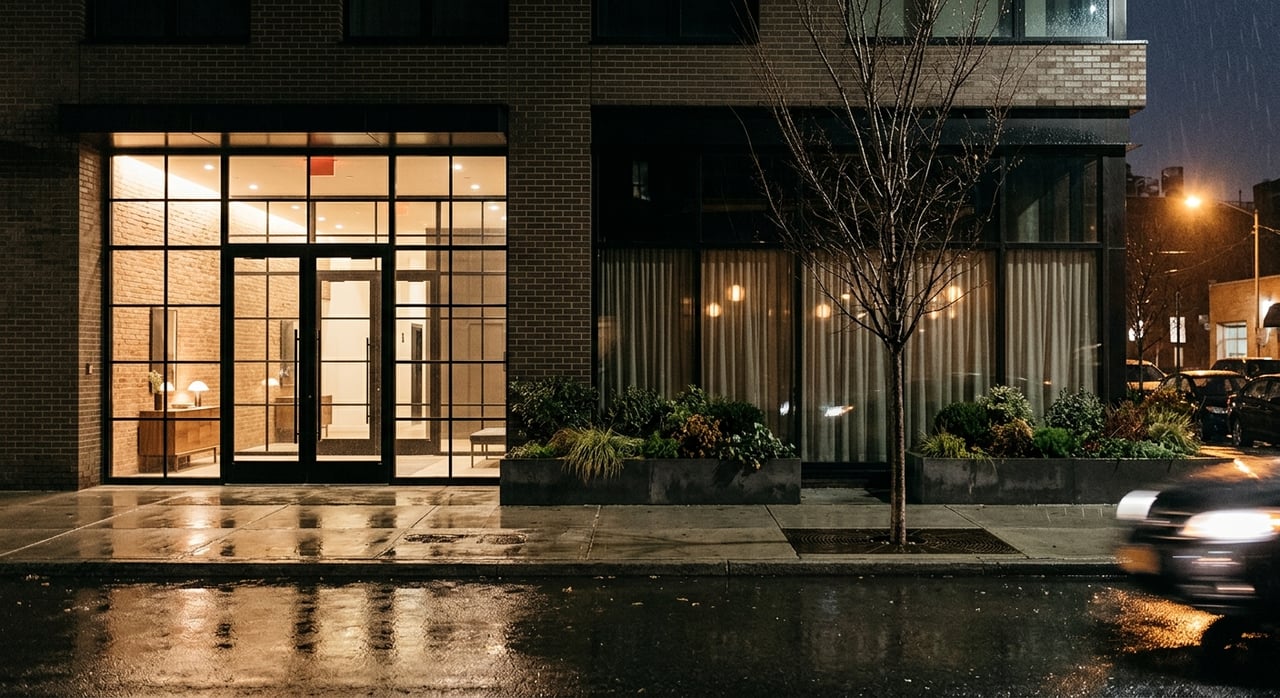
One of the most important things to know is that West Loop housing is not all one style. The built environment includes older industrial and masonry buildings, adaptive-reuse properties, and newer residential towers.
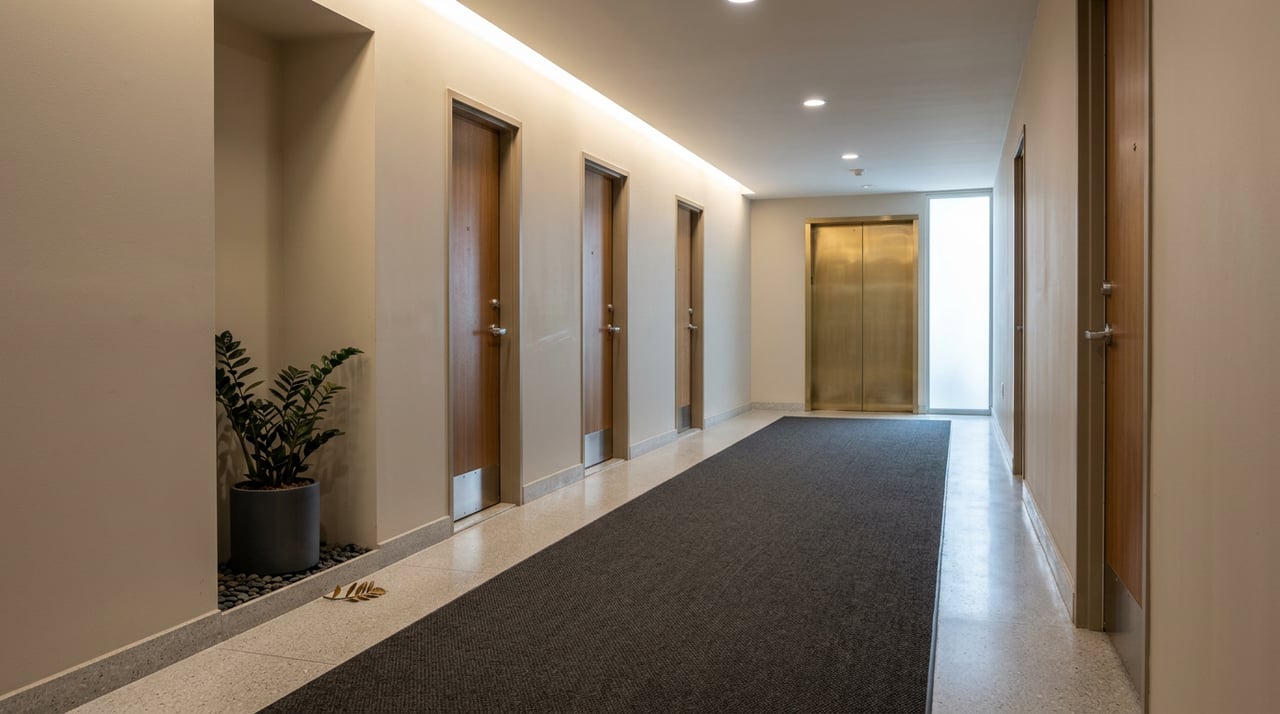
For you, that often means a broad mix of loft conversions, condo buildings, and amenity-focused rentals within a relatively small area. Some homes lean into the neighborhood’s warehouse history, while others feel sleek, modern, and high-rise-driven.
That variety is part of the appeal. If you are renting, you may have options that range from loft-style spaces to newer luxury buildings. If you are buying, you can also see a mix of building types that support very different living experiences even within the same neighborhood.
One reason West Loop works so well for many residents is transit access. Morgan serves the Green and Pink lines, Clinton also serves the Green and Pink lines and connects to CTA Bus #56 and Metra Ogilvie, and UIC-Halsted serves the Blue Line with bus connections including #7, #8, and #60.
The Blue Line’s 24-hour service between O’Hare and Forest Park is especially useful if you keep a flexible schedule or travel often. Union Station and Ogilvie also add strong regional access, which can make commuting or weekend travel much easier.
If you want a car-light lifestyle, this is one of the neighborhood’s strongest selling points. The area’s restaurant reputation gets a lot of attention, but transit is a big part of what makes living here practical.
Parking tends to be one of the clearest compromises when you live near Restaurant Row. Commercial garages are available in the area, including options near Randolph, Washington, Green, and Des Plaines, but off-street parking is best treated as a paid convenience rather than something you should assume comes easily.
That matters if you own a car, expect frequent guests, or simply want flexible driving access. In a dense neighborhood like this, curb parking may not match the convenience you would find in a lower-density area.
For some residents, that is a fair trade for walkability and transit. For others, it is one of the first issues to think through before signing a lease or making an offer.
West Loop does have access to parks, but this is still a dense city neighborhood first. Mary Bartelme Park offers a dog park, lawn, play area, and seating zones, while Skinner Park adds fields, a playground, a community garden, and a small fieldhouse.
That means you are not cut off from outdoor space. Still, the neighborhood does not feel park-centered in the way some lower-density areas do.
If your ideal day includes city energy with some green space nearby, West Loop can fit well. If you want a residential setting where parks dominate the streetscape, this may not be the right match.
Living near West Loop’s Restaurant Row tends to work best for people who want walkability, dining access, transit, and a high-energy urban atmosphere. It is especially appealing if you value being close to the action and want your neighborhood to feel social and connected.
This lifestyle can also make sense if you are relocating to Chicago and want a neighborhood that quickly puts you in the middle of downtown-adjacent living. You can get a strong sense of the city’s pace, architecture, and dining culture without feeling isolated.
This area may be less ideal if your top priorities are quiet nights, easy curb parking, or a low-density residential feel right outside your building. The same features that make Restaurant Row exciting can feel like drawbacks if you want a softer, slower daily rhythm.
That does not mean West Loop is the wrong neighborhood overall. It may simply mean you need to be more selective about which block, building, or distance from the main corridor fits your routine best.
Before you rent or buy near Restaurant Row, think about how you actually live day to day. It helps to look beyond the restaurants and ask whether the neighborhood supports your commute, sleep schedule, transportation habits, and overall pace.
A few smart questions to ask include:
Those answers can shape your building search more than the zip code alone. In West Loop, a few blocks can make a big difference in how your home feels.
Because West Loop offers such a mix of building types and street-level energy, the right move often comes down to fit. Two homes that are both labeled “West Loop” can deliver very different experiences depending on their location, building style, and access to transit or parking.
That is why neighborhood-specific guidance matters, especially if you are relocating, moving on a tight timeline, or trying to compare rental and condo options. A faster, more tailored search can help you focus on the part of West Loop that matches your routine instead of chasing every listing that looks good online.
If you are exploring West Loop and want help narrowing the right apartment or condo near Restaurant Row, The Michael Scavo Group can help you move quickly with a transparent, concierge-style approach.
Stay up to date on the latest real estate trends.