Comparing Wicker Park Bucktown Condos: Walk-Ups vs Lofts
April 2, 2026
April 2, 2026
Buying your first place in Wicker Park or Bucktown can feel like choosing between two great Chicago stories. Do you want the classic charm of a walk-up, the open volume of a loft, or the convenience that comes with a newer elevator condo? If you are trying to sort through tradeoffs without getting lost in the details, this guide will help you compare how each option lives, what it may cost to own, and what to ask before you make an offer. Let’s dive in.
Wicker Park and Bucktown are not cookie-cutter condo markets. The area is known for its walkability, independent shops, dining, music venues, transit access, and destinations like The 606 and Milwaukee Avenue. That neighborhood mix shapes what you will see on the market.
A big reason is the local building stock. The Wicker Park District’s core building era dates from 1870 to 1930, which helps explain why older masonry buildings and low-rise condos show up so often. At the same time, the neighborhood has a long history of industrial buildings being converted into residential use, so lofts are part of the area’s built identity, not just a trend.
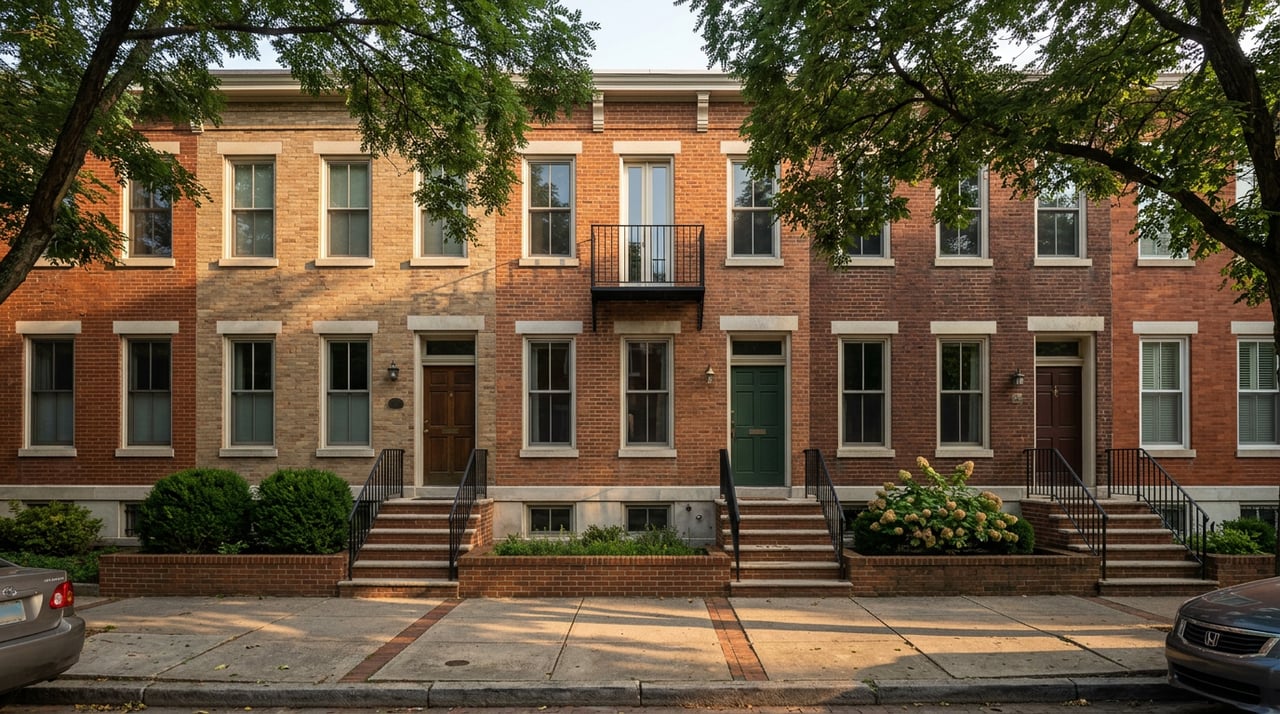
A walk-up is simply a multi-story building without an elevator, according to Merriam-Webster’s definition of walk-up. In real life, that usually means more stairs, fewer moving parts in the building, and a more straightforward ownership experience.
For many first-time buyers, that simplicity is the appeal. A smaller building may feel easier to understand, and there are often fewer shared systems than in a large elevator building. Still, you should not assume a walk-up automatically means low monthly costs, because assessments depend on the building’s budget, insurance, reserves, and maintenance history.
If you are focused on value and a simpler setup, a walk-up may fit well. Common advantages include:
The biggest one is obvious: stairs. Carrying groceries, moving furniture, or coming home after a long day feels different when there is no elevator.
You also need to pay close attention to maintenance. In older buildings, upcoming work on the roof, facade, windows, plumbing, or electrical systems can matter just as much as the unit itself. Since construction quality can vary across building eras, it is smart to look beyond finishes and ask detailed questions.
Lofts in Chicago often hold onto their industrial roots. Preservation Chicago describes converted loft buildings as spaces with exposed brick, high beamed ceilings, oversized windows, and masonry construction. That combination is a big part of why lofts stand out when you walk in.
For a first-time buyer, the appeal is usually emotional and practical at the same time. A loft can feel larger, brighter, and more flexible than a similarly priced condo with a more traditional layout. If you love character and want a space that feels distinctly urban, a loft may be the option that grabs you immediately.
Lofts tend to attract buyers who want style and volume. You may like a loft if you value:
That same openness can come with compromises. Hard surfaces and open volumes can make a space feel more echo-prone, so noise is something to test during a showing.
Lofts can also be less compartmentalized than a traditional condo. If you want clearly separated rooms or a more conventional layout, the design flexibility of a loft may feel less practical day to day.
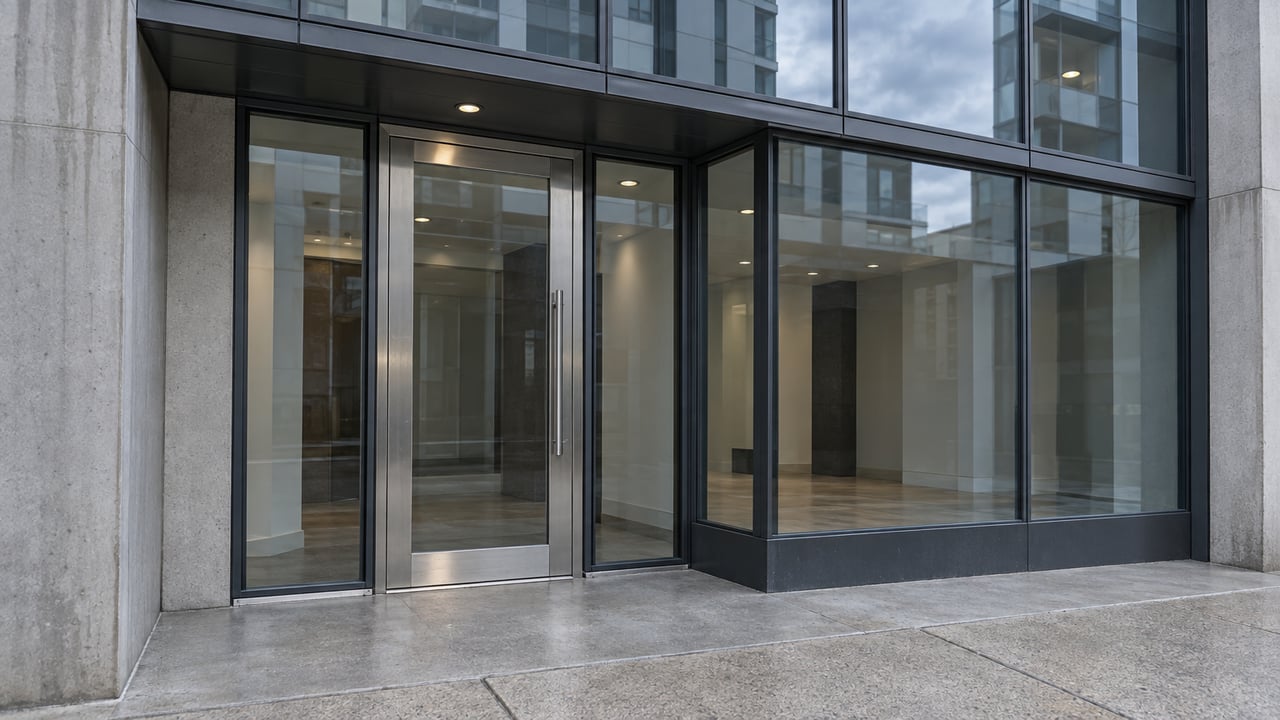
Even if your search starts with walk-ups versus lofts, newer elevator condos may end up in the mix. They often offer a more standardized ownership experience, plus easier move-ins and day-to-day convenience.
That convenience comes with more building systems to maintain. Fannie Mae’s condo review guidance specifically points to major components like elevators, boilers, roofs, HVAC, plumbing, and electrical systems because their condition and remaining useful life matter to lenders and owners. In plain English, convenience can bring more complexity, and that often shows up in the monthly assessment.
For most first-time buyers in Wicker Park and Bucktown, this choice is less about which label sounds better and more about how you want to live.
A walk-up often makes sense if you want a simpler building and do not mind stairs. A loft often makes sense if you care most about character, light, ceiling height, and an open feel. A newer elevator condo often makes sense if convenience and accessibility are high on your list.
| Feature | Walk-Up Condo | Loft | Newer Elevator Condo |
|---|---|---|---|
| Building style | Traditional low-rise | Industrial conversion or character-driven building | More standardized modern condo building |
| Daily living | Stairs, simpler setup | Open, airy, character-heavy | Convenient, easier move-in |
| Feel | Classic and straightforward | Bright, spacious, design-forward | Polished and predictable |
| Maintenance profile | Depends on age and upkeep | Depends on conversion quality and building systems | More complex shared systems |
| Best fit | Buyers who prioritize simplicity | Buyers who prioritize character and volume | Buyers who prioritize convenience |
The list price is only part of the story. The Consumer Financial Protection Bureau says your full monthly housing cost should include mortgage principal and interest, taxes, insurance, homeowners association fees, plus maintenance, repairs, and utilities.
That matters a lot in Chicago condos. A building with a lower assessment may look better at first glance, but if reserves are weak or major repairs are coming, the cheaper option may not be the better long-term deal.
Before you fall in love with a unit, ask what the monthly assessment actually covers. You want to understand not just the dollar amount, but what you are getting for it and whether the building is planning ahead.
Fannie Mae’s full-review guidance notes that reserve funding, deferred maintenance, assessment delinquencies, and special assessments can all matter in condo review. A healthy budget does not guarantee a perfect building, but underfunding is a red flag worth taking seriously.
These questions are especially useful for first-time buyers:
A lot of first-time buyers focus on getting personally approved, which is important, but condo financing can also depend on the project itself. Freddie Mac’s Condo Project Advisor exists because some condo buildings need extra review, and Fannie Mae also reviews project eligibility and deferred maintenance.
This is especially relevant if you are using a lower-down-payment loan. The CFPB notes that FHA loans can require as little as 3.5% down and conventional loans as little as 3% down, but the building still has to qualify. So when you compare walk-ups and lofts, ask not only whether you like the unit, but whether the building works with your financing plan.
Wicker Park and Bucktown continue to draw strong buyer interest. Redfin currently shows limited condo inventory in Wicker Park and Bucktown, with Bucktown listings averaging about 16 days on market and four offers. That does not promise future appreciation, but it does suggest that well-priced condos can move quickly.
Citywide pricing adds context. Illinois REALTORS’ January 2026 forecast shows projected condo and townhome median sales prices in Chicago at levels that reflect continued price support. In short, first-time buyers are shopping in a competitive segment, so having a clear framework matters.
If you are stuck between options, keep your decision rooted in your daily life and your budget. The right answer is usually the one that matches how you actually live, not the one that sounds best in theory.
Choose a walk-up if you want a simpler ownership experience and you are comfortable with stairs. Choose a loft if you want character, ceiling height, and a more flexible open layout. Give newer elevator condos a look if convenience, accessibility, and a more standardized building setup matter most to you.
Just remember that in Wicker Park and Bucktown, long-term value is often tied to location, layout efficiency, building condition, and reserve strength as much as the style of the home. The best purchase is usually the one that balances neighborhood appeal with solid building fundamentals.
If you want help comparing condo options in Chicago with a clear, practical lens, The Michael Scavo Group can help you sort through inventory, building details, and the tradeoffs that matter most for your first purchase.
Stay up to date on the latest real estate trends.