Old Town Chicago Apartments: Nightlife or Quiet Blocks?
March 5, 2026
March 5, 2026
Trying to decide if you belong on Old Town’s buzzy Wells Street or on a quieter, tree‑lined block nearby? You are not alone. Old Town packs nightlife, historic charm, and quick transit into a compact area, so the block you pick will shape your day and sleep. In this guide, you will learn how the neighborhood is laid out, what nightlife streets really sound like, where the quiet pockets sit, and how pricing and building types differ. Let’s dive in.
Old Town centers on the historic Old Town Triangle and the commercial corridors that edge it. The Triangle is a designated Chicago Landmark district with narrow, residential streets and protected architecture. You can see its boundaries on the Old Town Triangle Association’s official map.
For everyday orientation, think in three simple micro‑pockets:
A simple way to visualize it: Wells is the “action” spine; the one‑ to two‑block interiors of the Triangle are the calm pockets.
On Wells Street, weeknights run lively with dinner service, comedy shows, and bar traffic into late evening. Weekends bring higher foot traffic, outdoor patios, and lines for popular spots. Rooftop patios and expanded outdoor areas can project sound onto nearby blocks. A recent community debate over a proposed rooftop expansion at Hotel Lincoln is a good example of how neighbors and operators discuss hours and sound controls in real life; Block Club Chicago covered the back‑and‑forth on noise and late‑night egress.
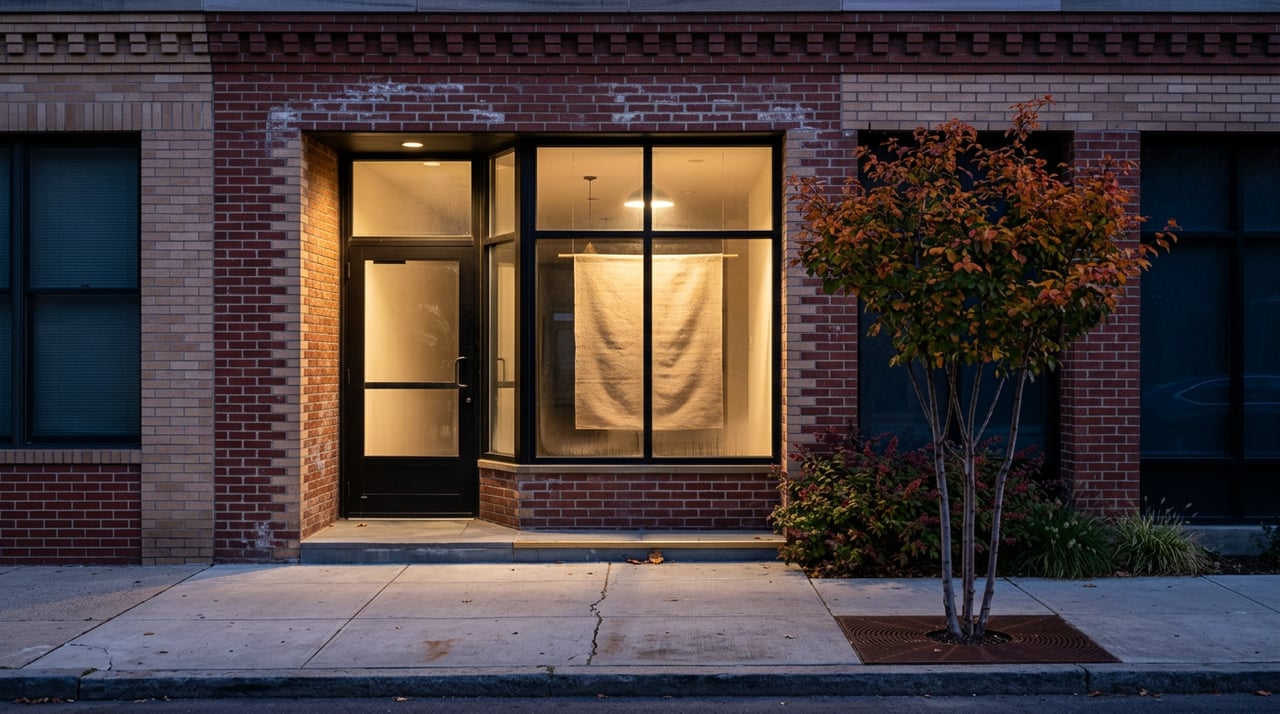
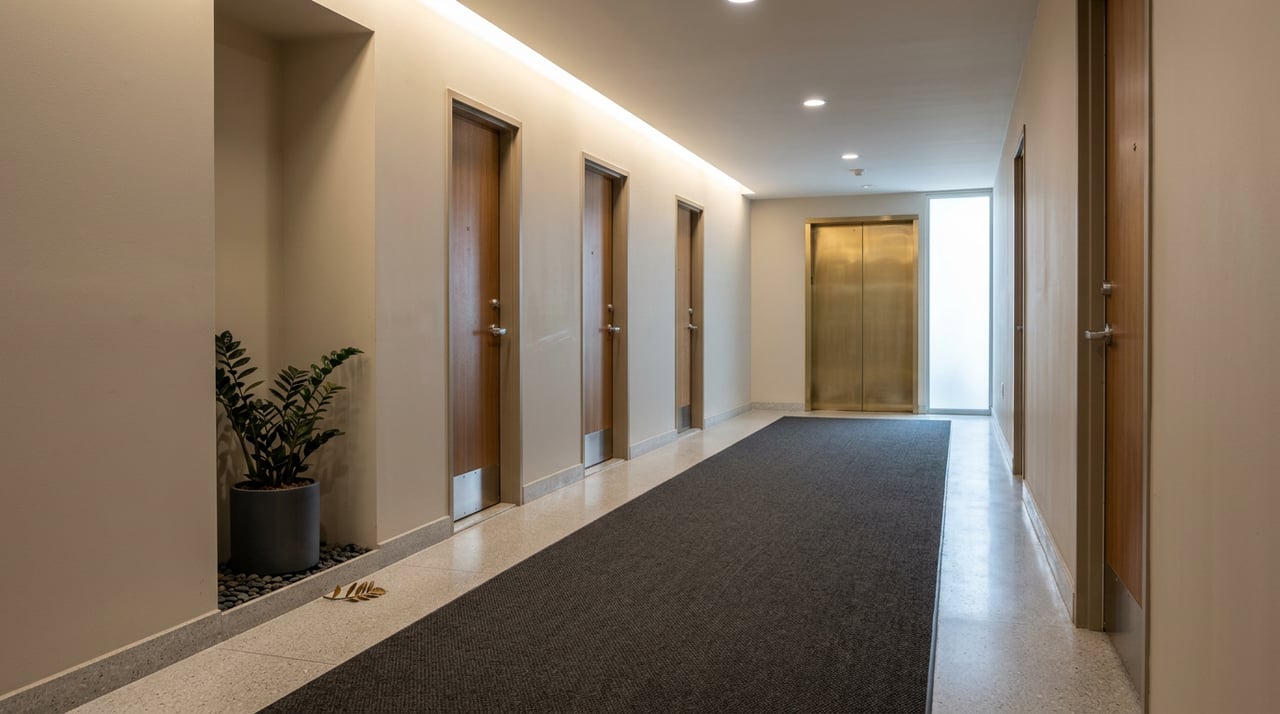
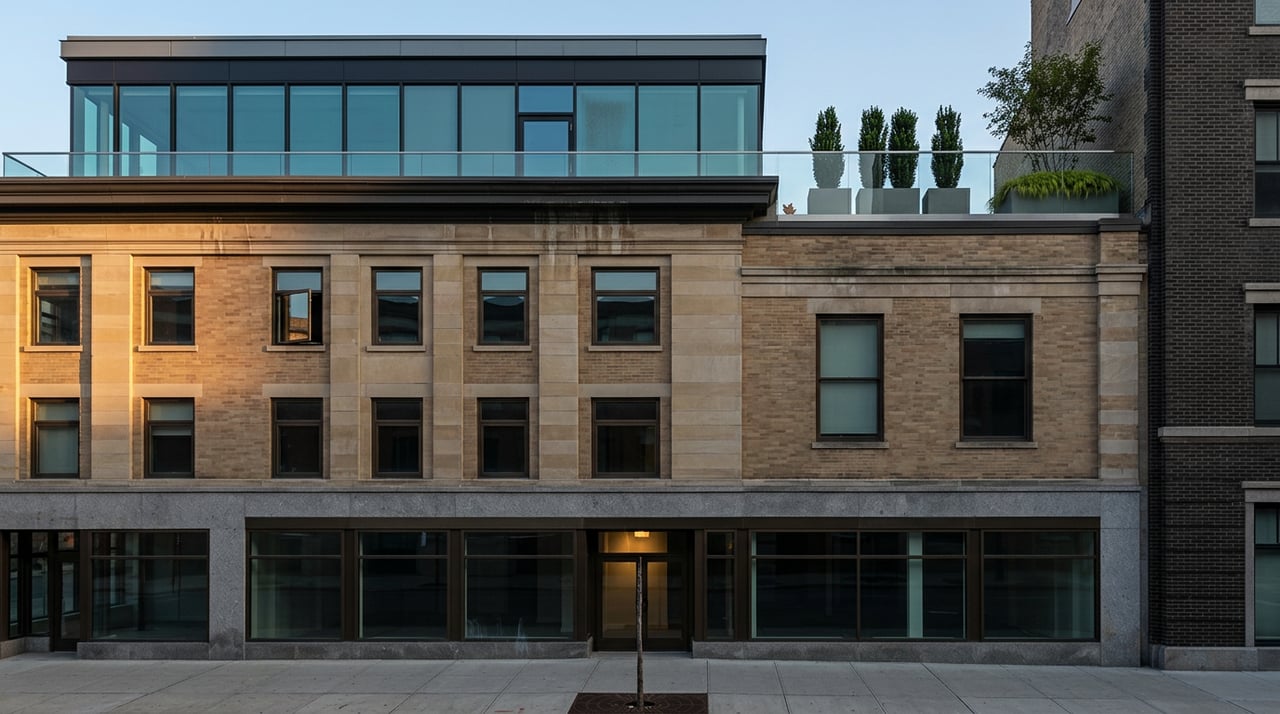
Along Wells and North Avenue, you will find mixed‑use low‑ to mid‑rise buildings with retail or restaurants at street level and apartments or condos above. Newer mid‑rise developments and larger rental properties tend to cluster on these busy corridors and near train stops. Expect more modern construction features and rooftop amenity spaces on the main drags, as you will see when browsing the Old Town rental landscape on RentCafe.
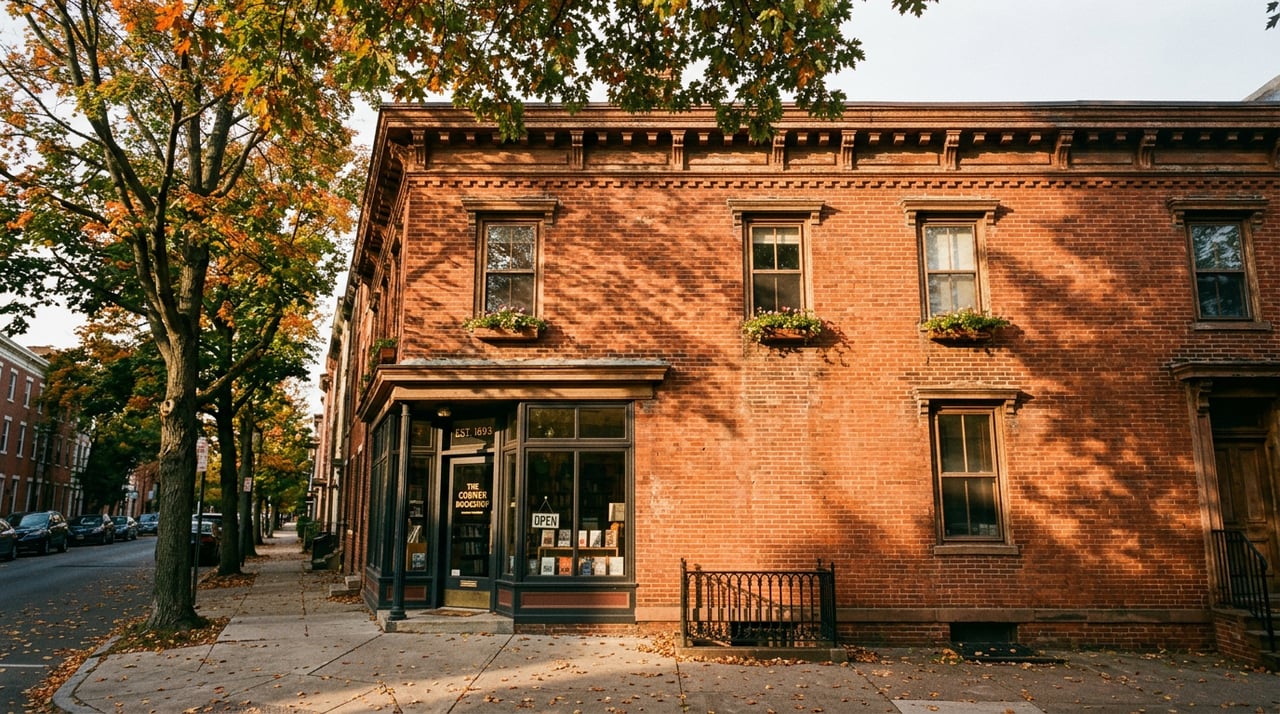
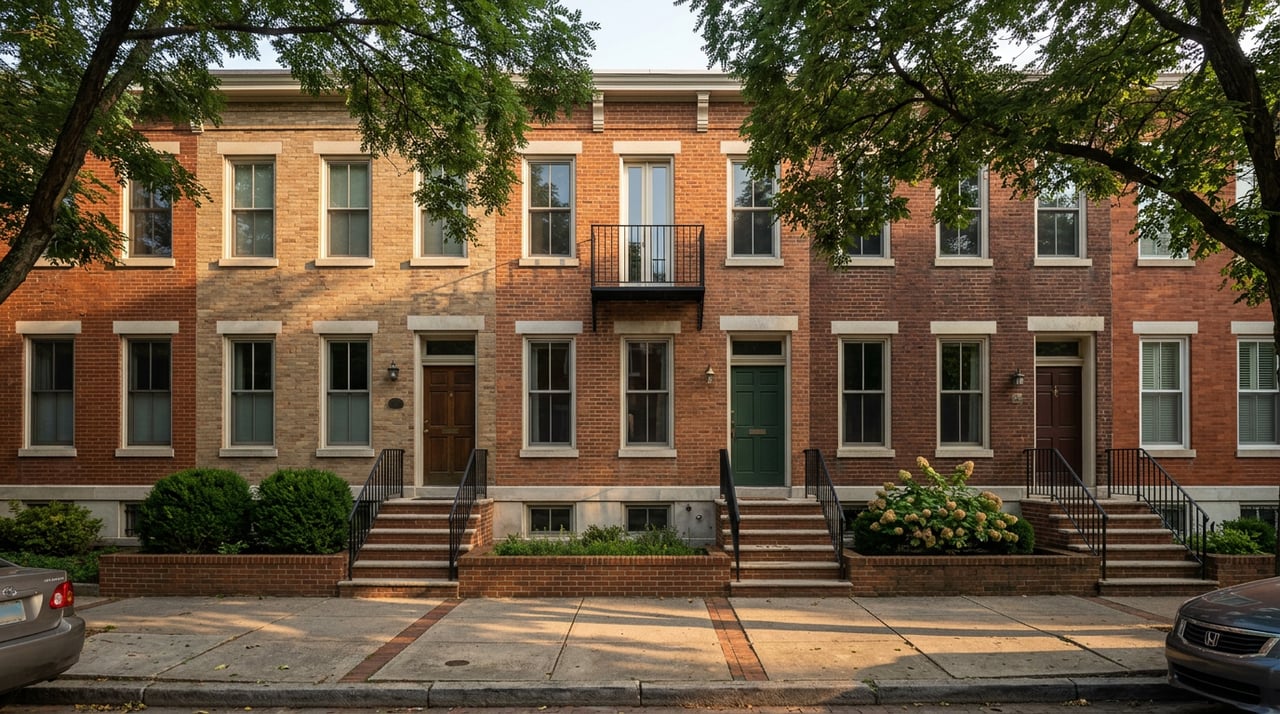
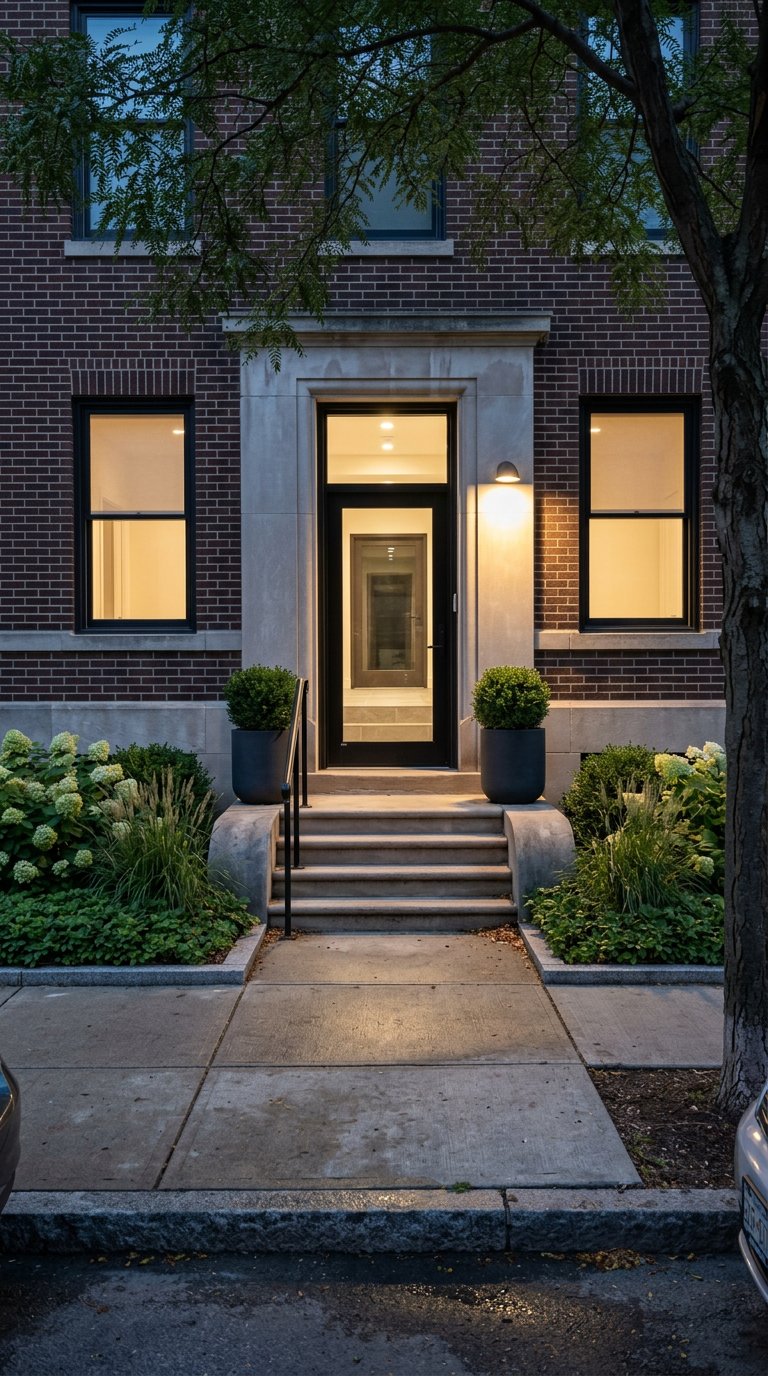
Inside the Old Town Triangle, streets like Crilly Court, St. Paul, Willow, Orleans, and Hudson are narrow and tree‑lined. You will see Victorian‑era two‑flats, rowhouses, and small condo conversions, much of it within the landmark district shown on the Triangle map. With limited commercial frontage, these blocks usually experience lower street‑level nightlife noise.
The interior blocks skew smaller scale. Many properties are owner‑occupied two‑flats, historic rowhouses, or boutique walk‑ups with a handful of units. Larger apartment buildings are more common on the periphery and on the main corridors, so if you value a quiet, residential vibe, target listings a block or two off Wells or along the Triangle’s interior streets.
Old Town sits in an upper‑tier Near North Side market. Rent averages reported for the area sit around the low‑ to mid‑$3,000s. RentCafe showed an average near $3,055 as of Jan 2026 for Old Town’s broader area, which aligns with other recent neighborhood snapshots. Quieter interior units and landmark properties can command premiums, and single‑family rowhouses often trade well above neighborhood medians. Sales medians for condos and homes have recently hovered in the mid‑$500k to low‑$700k range in published snapshots for mid‑2025 to late‑2025. For rental context, check current averages on RentCafe’s Old Town page.
Old Town’s edges bring multiple train options. Sedgwick on the Brown Line, with weekday Purple Line Express service, sits on the neighborhood’s western edge and is the closest elevated stop for much of Wells Street; see the Sedgwick station details. On the east and south edges, the Red Line stops at North/Clybourn and Clark/Division, both offering direct access downtown; find station info for North/Clybourn.
For open space, you are just west of Lincoln Park’s lakefront corridor. North Avenue Beach and the zoo area are a comfortable walk from most of Old Town, giving you lake views and long, paved paths without living on a tourist strip. Get a feel for the amenities on the Park District’s page for North Avenue Beach.
Cultural anchors add to nightly foot traffic. The Second City sits at North and Wells, drawing crowds for shows and classes several nights a week. If you want to be steps from the action, being near The Second City complex puts you close to marquee venues and dining.
If you want to be in the mix, the Wells Street blocks give you a front‑row seat to Old Town’s nightlife and dining. If you prefer calm, aim for the interior Triangle streets where historic homes and limited commercial frontage keep nights quieter. Most residents trade a few extra minutes of walking for either more energy or more quiet. With clear goals, a couple of well‑timed visits, and the right questions, you can find the Old Town block that fits your routine.
Ready to compare both sides in person? We can build a tailored list that lines up with your sleep schedule, commute, and vibe, then schedule tight, efficient tours of each pocket so you can hear and see the difference for yourself. When you are ready, reach out to The Michael Scavo Group to get started.
Stay up to date on the latest real estate trends.