Position Your Lakeshore East Condo to Sell Quickly
February 19, 2026
February 19, 2026
Thinking about selling your Lakeshore East condo and wondering what really moves the needle on price and days on market? You are not alone. Downtown buyers often line up for great views, strong amenities, and park access, but they also expect clear details and polished marketing. In this guide, you will learn how to position your unit to stand out in Chicago’s Loop, what to prepare before you list, and how to market your view, parking, and building perks the right way. Let’s dive in.
Set between the river and Lake Michigan just northeast of Millennium Park, Lakeshore East is a 28‑acre master‑planned community built around a central urban park. The master plan from Magellan describes a mixed‑use neighborhood with glassy towers, retail, and a signature green at its core. You can preview the vision on the developer’s Lakeshore East master plan overview.
At the center is The Park at Lakeshore East, a roughly 5–6 acre garden with promenades, fountains, a dog run, and event lawns. It is purpose‑built as the neighborhood’s shared backyard and a major lifestyle amenity. For a design summary and features, see the landscape architect’s page for The Park at Lakeshore East.
High‑end demand is real nearby too. In recent years, nearby towers have seen multi‑million‑dollar condo sales, underscoring active luxury interest in the area. For example, a St. Regis Chicago residence closed near $9 million, as reported by The Real Deal. Your exact value will come from local comps in your building and on adjacent floors, but the buyer pool for quality product is there.
Academic research confirms what you likely feel when you stand at the window: views, green space, and location matter. Meta‑analyses of property value drivers show premiums for water and skyline views, as well as proximity to high‑quality parks, but the size of the premium varies by market and by the clarity of the view. Use same‑building comps to quantify your specific edge. For background, see the review of amenity and location effects on value in this meta‑analysis.
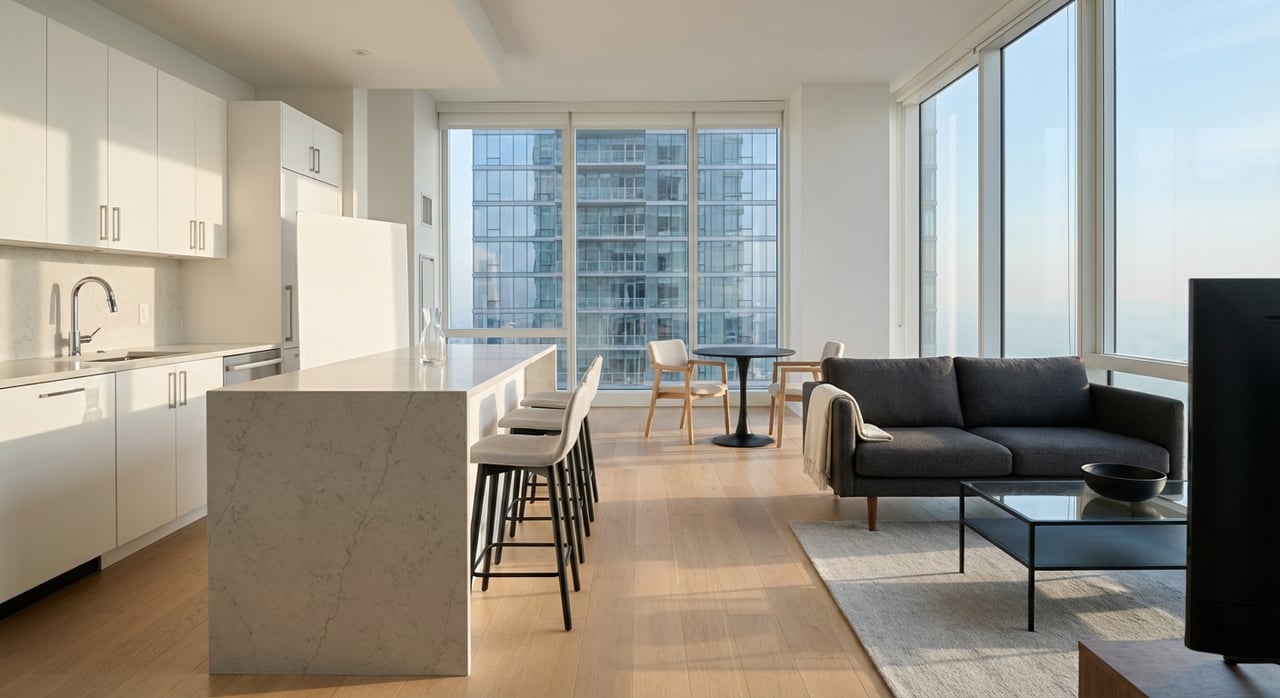
Buyers pay attention to view orientation and permanence. If you have an unobstructed lake, park, or skyline exposure, lead with it. In your listing copy, be precise: “east exposure with Lake Michigan sunrise,” “full park lawn view from living room,” or “north skyline view from balcony.”
Proximity to high‑quality green space supports value and attracts attention in dense urban settings. Analyses of park adjacency show positive effects that are strongest close to the park and decrease with distance. In Lakeshore East, the central park is a signature amenity with promenades, lawn, and a dog run. Call out that your unit is “park‑facing” or steps from the community green, and reference walk times to Millennium or Grant Park. For context on park features, see The Park at Lakeshore East, and for broader valuation background, review the amenity meta‑analysis.
In downtown condos, shared amenities often substitute for private space, so buyers rank them highly. National renter and buyer surveys highlight fitness centers, pools, and reliable package systems as top features, along with doorman or concierge services. When you position your listing, list the building’s amenities clearly and show them in your main photo set, not just as an afterthought. For a national read on what residents value, see the amenities ranking.
Tips for your listing:
Parking can be a major swing factor for downtown buyers. Research shows bundled garage parking often carries a real premium in dense urban markets. One widely cited analysis estimated a meaningful rent increase associated with bundled parking in city settings, which aligns with how buyers value guaranteed spots when street parking is scarce. For background, read about the hidden cost of bundled parking.
Your listing should:
Thoughtful prep cuts days on market and reduces surprises in escrow. Use this checklist to get ahead of buyer questions and association timing.
Illinois law requires sellers to provide specific condo association documents to buyers. Ask your board or management company for the official resale or Section 22.1 materials well before you list, since there may be fees and processing time. Confirm if the association has right‑of‑first‑refusal, any resale restrictions, or pending special assessments that you must disclose. For a summary of Illinois resale disclosure obligations, review the Illinois Condominium Property Act overview.
Include:
Buyers and lenders will look closely at reserve health and near‑term capital projects. The Illinois statute calls out anticipated capital expenditures and reserve status as required resale items. Having clear, current documents helps reduce financing and contingency friction. You can read more about these requirements in the Illinois Condominium Property Act overview.
Every tower runs on its own playbook. Before you go live:
You want buyers to focus on the view, light, and layout.
Downtown buyers start online and decide quickly which listings to click and tour. National research highlights the power of strong photography, clear floor plans, and virtual tours in speeding sales. For context on buyer behavior, see the NAR overview of buyer and seller trends.
Your assets, in order of importance:
Short‑form video helps too. Create a 60–90 second walk‑through that shows the entry, the main living area, the view reveal, and balcony access. Edit a 12–20 second vertical “hook” that opens on the best view clip. Mobile viewers decide in seconds.
Clear, measurable details build trust and reduce questions.
Syndicate through the MLS and your standard portals, then amplify with email to local brokers and curated social posts. Target likely buyer cohorts by interest and location, including relocation audiences. Show the view first in every channel. Keep captions short, factual, and benefit‑led.
Seasonality can help, but alignment on price and presentation matters more. Downtown traffic often picks up in late spring and early summer, yet macro factors like rates and inventory play a larger role in days on market. If you have flexibility, aim for the pre‑summer uptick. If you need to list now, focus on market‑matched pricing and best‑in‑class marketing.
Aerials can be compelling, but downtown Chicago has strict rules. The City’s municipal code governs small unmanned aircraft, and much of the Loop and lakefront involves sensitive or restricted airspace. If you plan aerials, use an FAA‑authorized Part‑107 pilot who follows Remote ID and local permitting. Review the Chicago municipal code for small unmanned aircraft and the FAA’s Remote ID guidance before you book.
Downtown condo deals often hinge on a few items:
If you want your Lakeshore East condo to stand out, lead with your strongest value drivers: verifiable views, clear park access, a polished amenity story, and transparent parking details. Pair those with a complete resale packet, crisp photography and video, and tight MLS data. That combination attracts the right buyers and shortens decision time.
Ready to position your condo to sell well? Let’s build a plan tailored to your floor, exposure, and building rules. Connect with The Michael Scavo Group to schedule a listing consult.
Stay up to date on the latest real estate trends.