Scanning River North’s skyline of glass towers and historic lofts can feel exciting and overwhelming at the same time. You want great views, easy commutes, and an amenity package that fits your lifestyle, without surprises on your monthly bill. This guide breaks down what “luxury” really means here, which features actually drive value, and how to tour like a pro. You’ll also get a clear checklist to compare buildings head to head. Let’s dive in.
What luxury means in River North
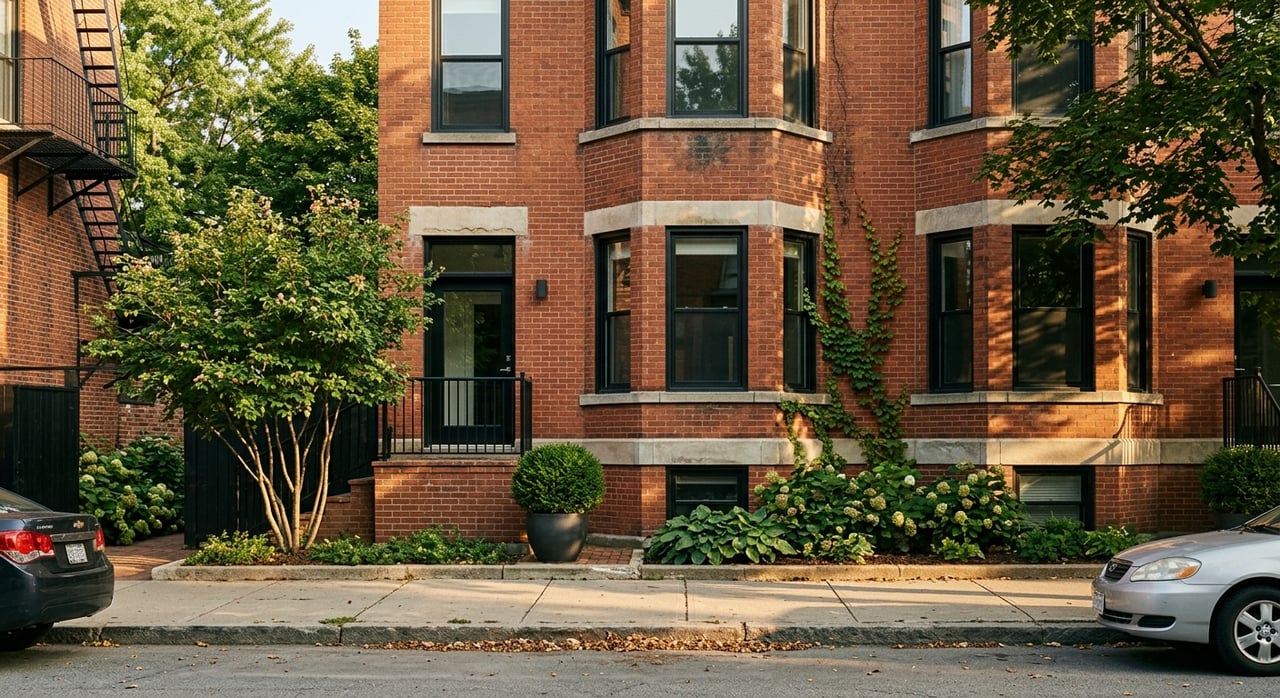
River North sits just north of the Chicago River and west of the Magnificent Mile. You’ll find a tight mix of modern high-rises, converted warehouses with loft layouts, art galleries, restaurants, and nightlife. It’s one of Chicago’s most walkable, transit-friendly neighborhoods, which is a major draw if you want downtown access and an active social life.
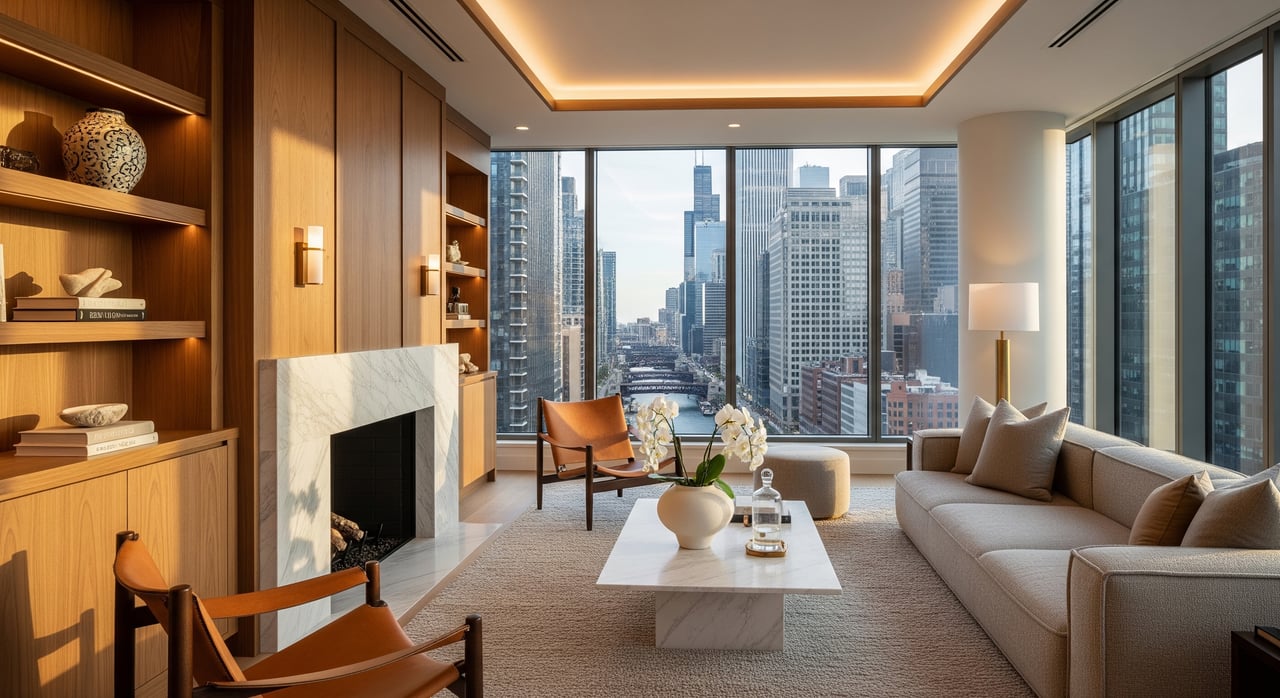
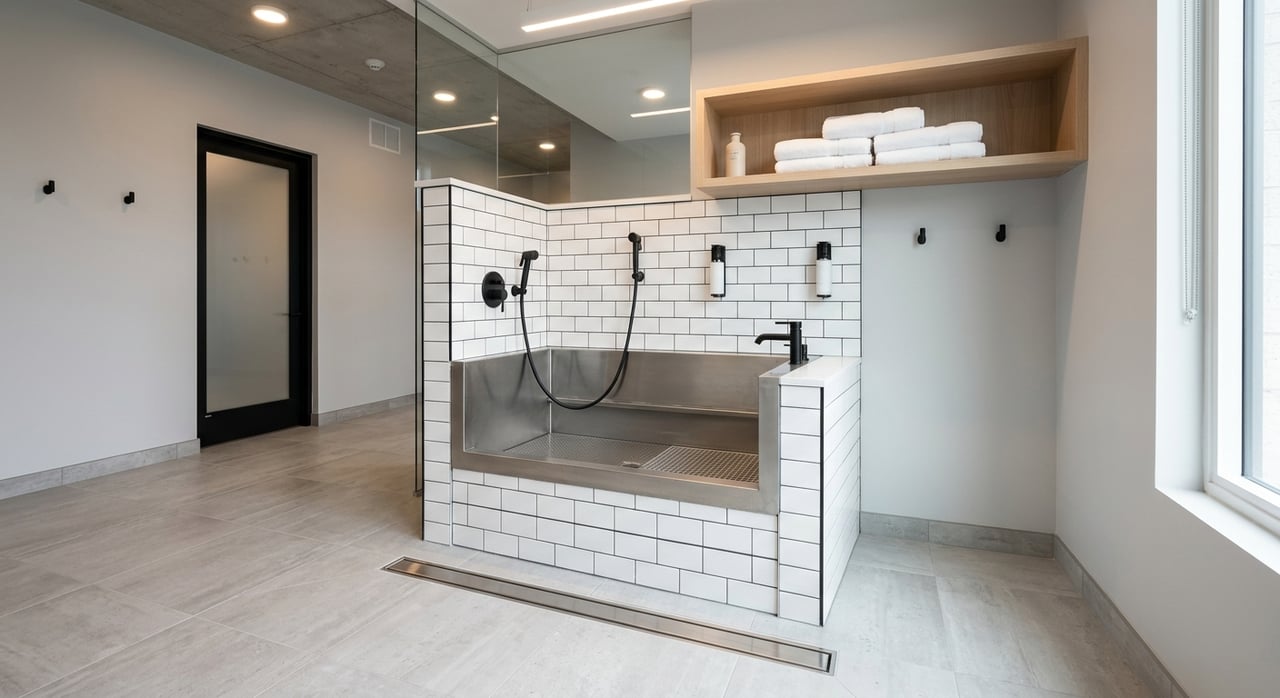
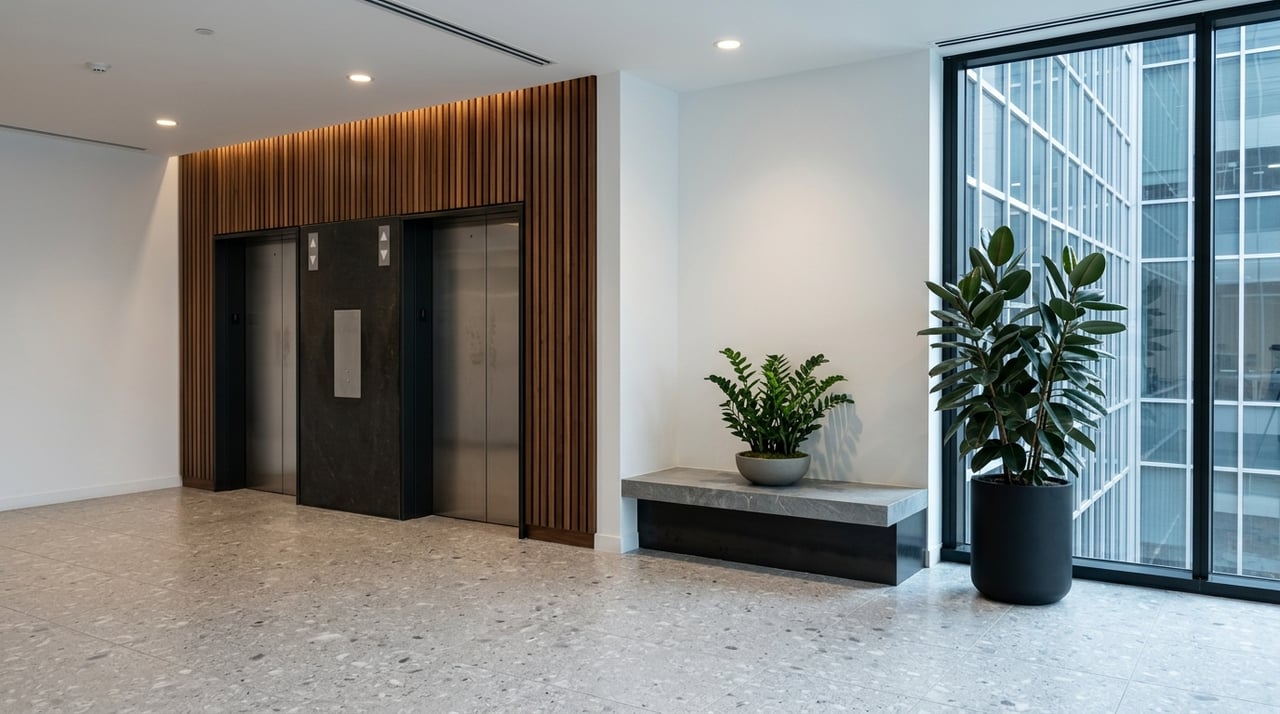
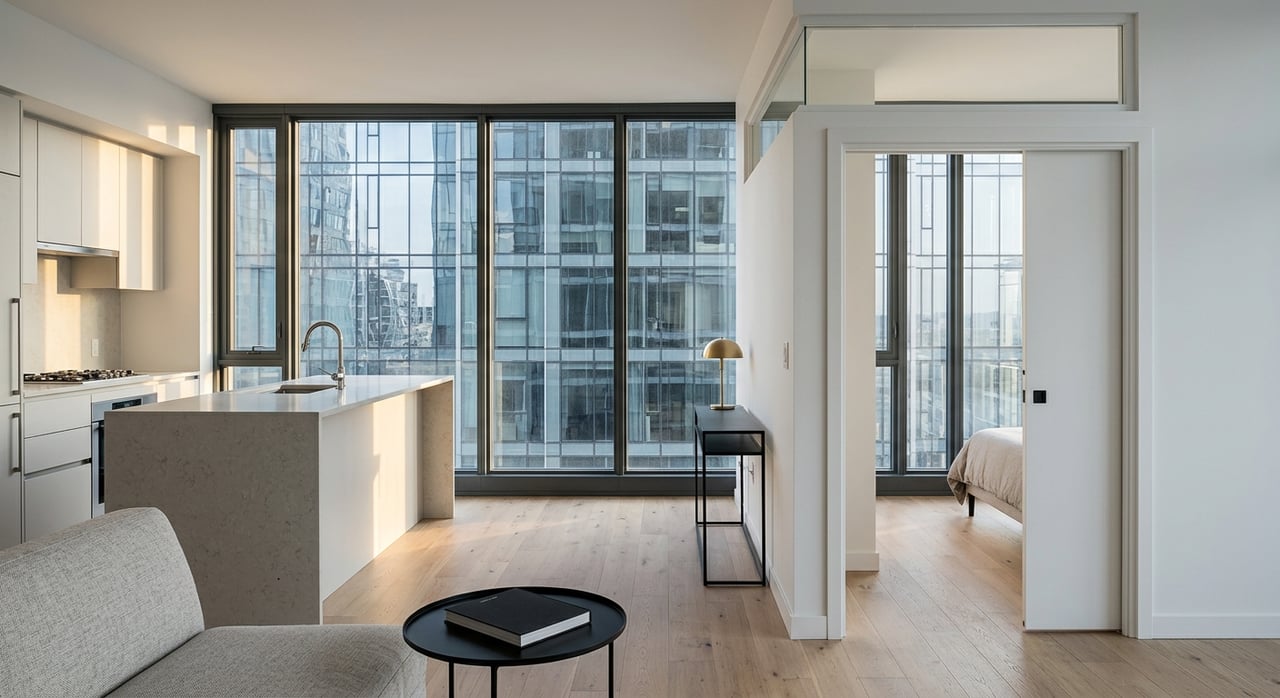
In this market, “luxury” covers a spectrum. Many buildings offer hotel-like services, while others lean boutique with fewer amenities but elevated finishes and responsive management. Common markers include stone or quartz counters, premium appliances, in-unit washer and dryer, tall ceilings, floor-to-ceiling windows, and smart home touches like keyless entry or smart thermostats. On the building side, look for staffed lobbies, fitness centers, rooftop or terrace spaces, lounges or coworking rooms, and pet-friendly services.
Features that matter most
Views and orientation
River or skyline views are a top driver of demand. East-facing or river-facing units bring brighter natural light and scenery that can make a smaller footprint feel bigger. Units with expansive, unobstructed views on higher floors tend to be priced higher and get leased faster. If you work from home or value natural light, weigh this feature heavily.
Floor level and outdoor space
Higher floors usually mean less street noise and better vistas. Private balconies or terraces add real daily value, especially in warmer months. If a private balcony is not essential for you, high-quality shared spaces like a rooftop or sun deck can deliver similar enjoyment without the extra premium.
Interior finishes and layout
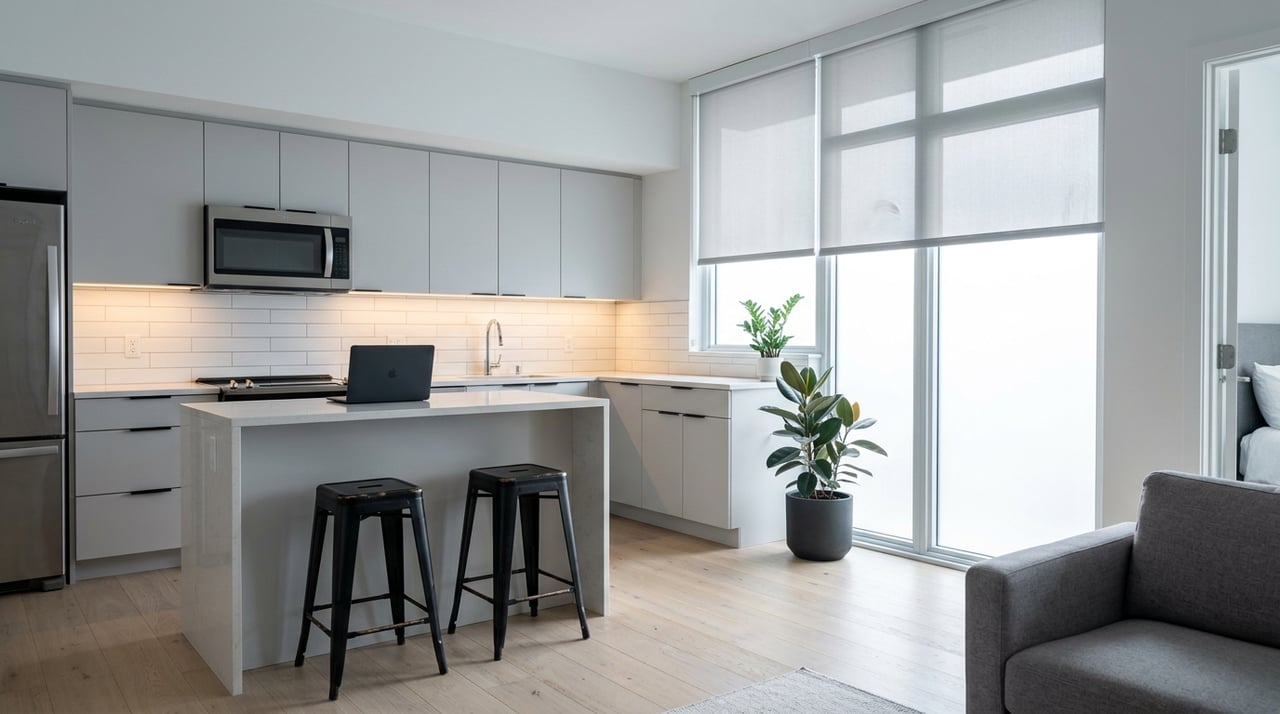
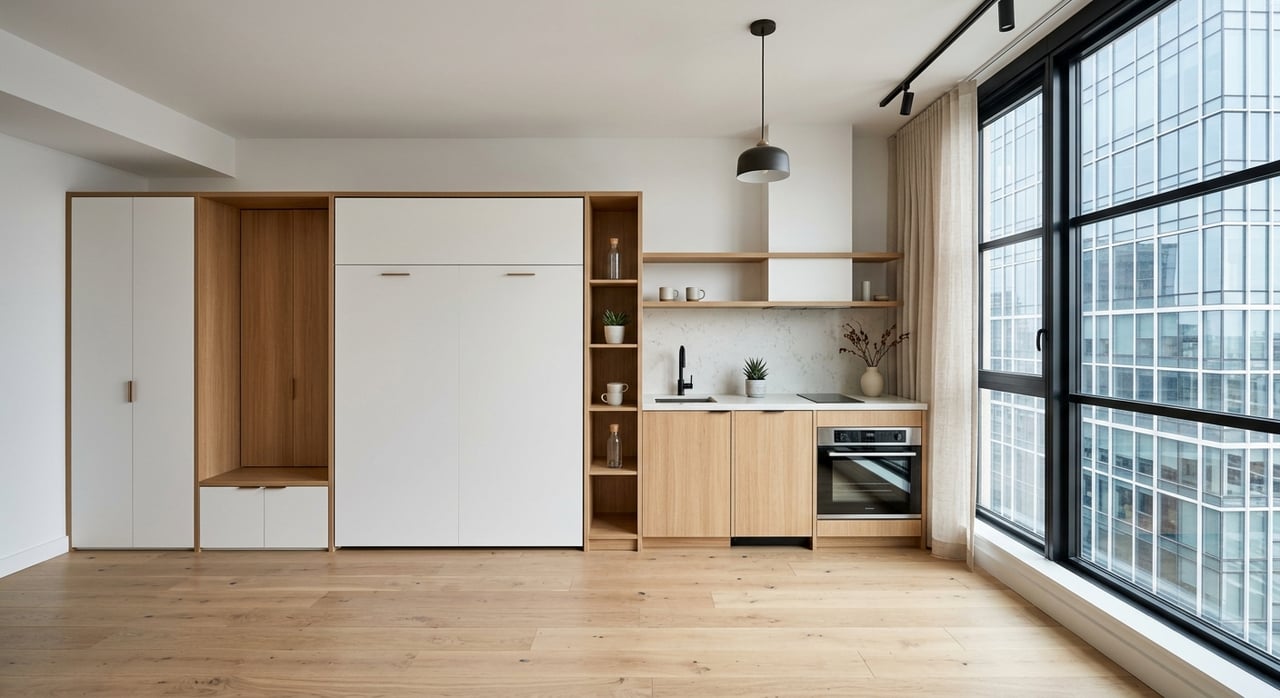
Focus on counters, cabinetry, appliance brands, and flooring. Full-size, high-efficiency laundry and well-designed closets are markers of quality. For many renters today, a flexible layout with a defined nook for a desk can be a bigger win than an extra 50 square feet. Test how the space functions for your routine, not just how it looks in photos.
Amenity package and service level
Amenities range from essentials, like a fitness room and resident lounge, to full-service setups with 24/7 concierge, pool, valet parking, on-site spa, and private dining rooms. More amenities can increase base rent and sometimes add monthly fees. The key is using what you pay for. If you never swim or host events, a well-equipped gym and quiet coworking area may deliver better value.
Management, maintenance, and reputation
Responsive on-site teams impact your day-to-day life. Ask about maintenance staffing, typical response times, and how after-hours issues are handled. Clean, well-maintained common areas and organized package systems signal strong operations. If the leasing team is slow to follow up or vague about policies, that can be a red flag.
Parking, storage, and pet policy
Garage parking, storage lockers, and bike rooms are common in River North, but they’re often billed separately. Pet-friendly communities may add pet rent and nonrefundable fees. If you rely on public transit, rideshare, or walk to work, you may be able to skip parking and save a meaningful amount each month.
Walkability, transit, and micro-location
Walkability is one of River North’s biggest advantages. Proximity to the river, the Loop, restaurants, and your workplace can reduce your transportation costs and time. Micro-location matters, too. Riverfront blocks tend to be calmer, while stretches near nightlife can be louder on weekends. Visit at the time you expect to be home to get a true feel.
How features impact your monthly cost
What raises base rent
- Views and floor height: River or panorama views and upper floors commonly command a premium.
- Amenity level: Full-service buildings with pools, 24/7 staff, and valet parking typically price higher than buildings with essentials only.
- Finishes and appliances: Newer construction or recent renovations with top-tier packages rent for more than older stock with basic finishes.
- Private outdoor space: Balconies and terraces usually raise demand and price.
Line items to budget
Use a simple worksheet so there are no surprises:
- Base rent
- Parking, if needed
- Pet rent and deposits
- Utilities you pay directly, often electricity and internet, sometimes gas
- Amenity or “technology” fees, if applicable
- Storage, if you need a locker or bike room
- Renter’s insurance
- Broker fee, if any, and how it is structured
Add these up to understand your true monthly cost. For your first month, include any one-time fees and deposits so you are ready for move-in.
Effective rent and concessions
Some landlords offer concessions, like one month free on a longer lease. Spread the value of the free month across the term to calculate the effective monthly cost. This lets you compare two options fairly, even if one shows a higher sticker price but includes incentives.
Touring checklist
Before you tour
- Review floor plans and virtual tours to shortlist the strongest fits.
- Confirm rent structure, included utilities, and all fees, including parking and pet costs.
- Ask about current concessions and the typical timing for availability and move-ins.
Exterior and entry
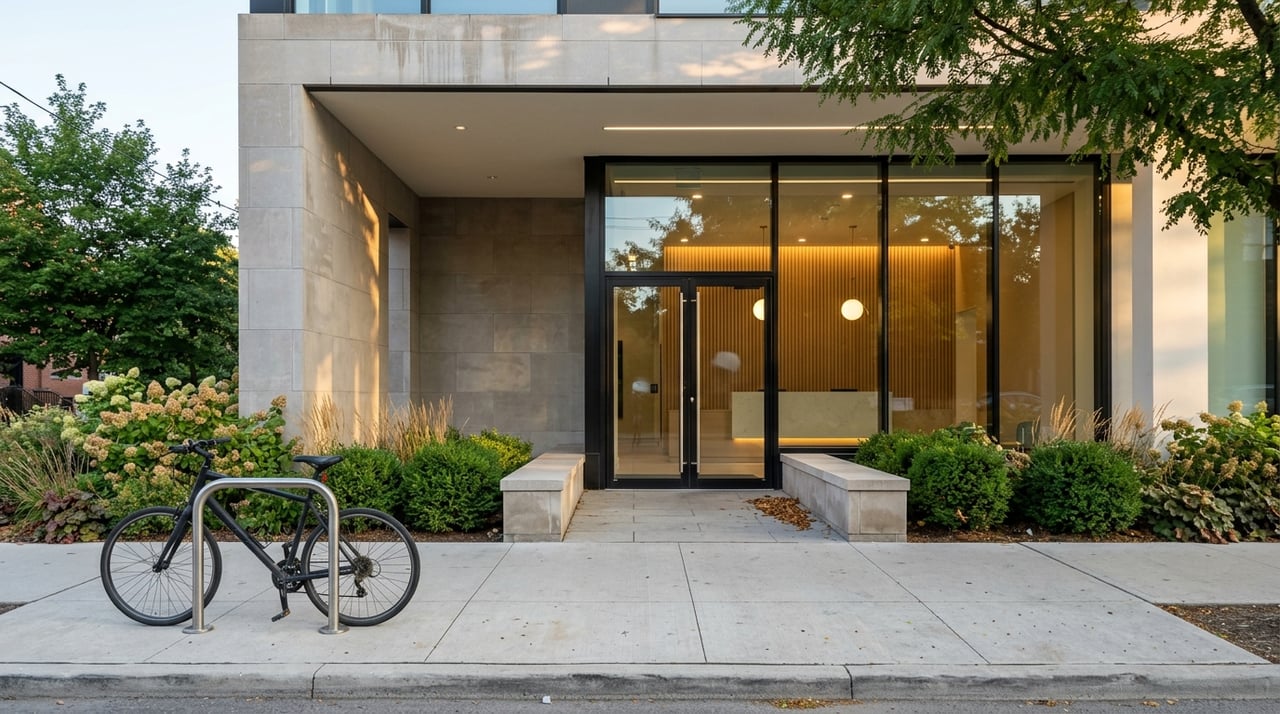
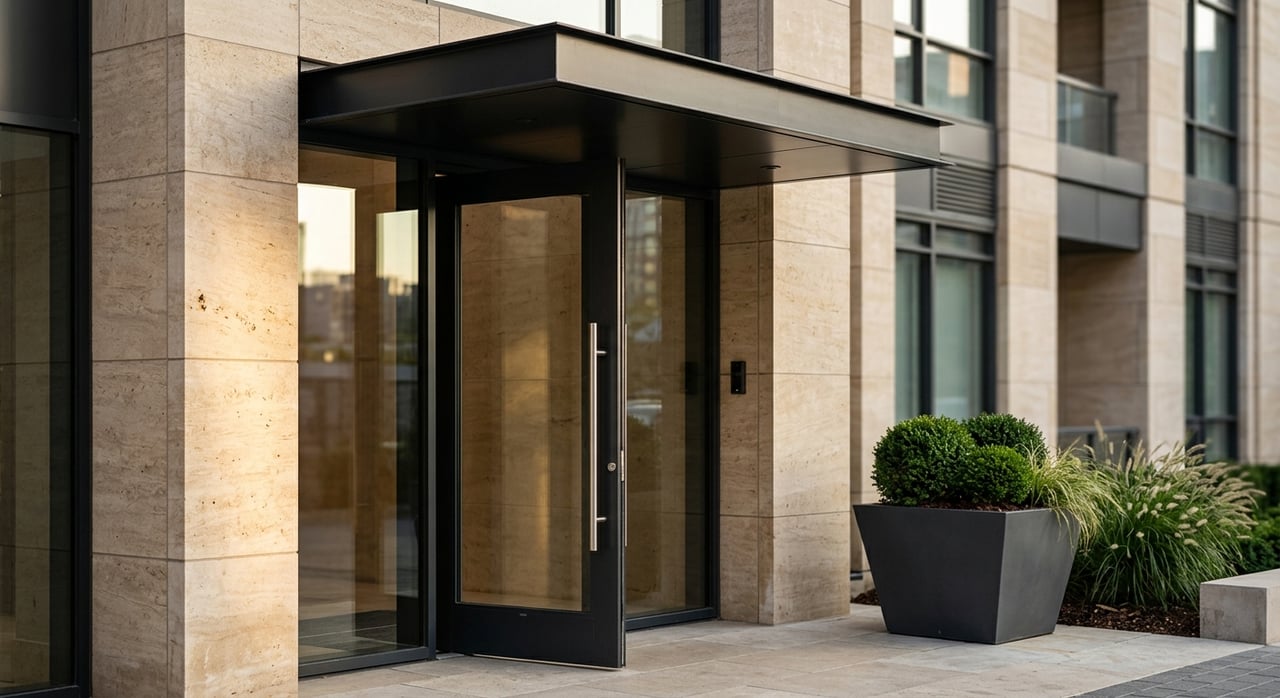
- Is the lobby staffed? Are access controls modern and secure?
- Check cleanliness and upkeep of common areas.
- Ask how packages are handled and whether there are lockers or a designated room.
Inside the unit
- Test natural light at different times if possible. Listen for hallway and street noise.
- Inspect finishes: counters, cabinetry hardware, appliance brands, washer and dryer, closet build-outs.
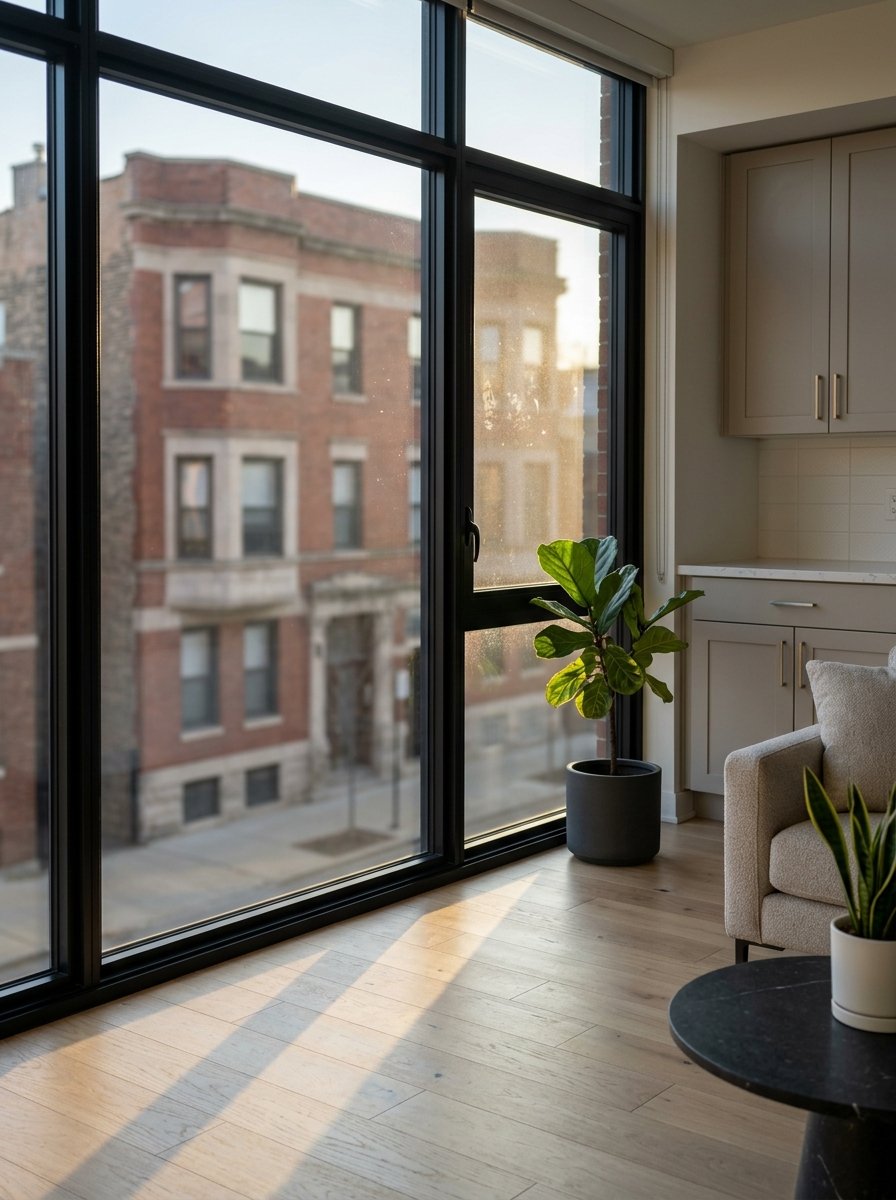
- Check windows and balcony doors for seals and drafts, especially in high-rise glass towers.
- Confirm HVAC type and ask about the age of major systems if the unit has individual equipment.
- Test cell service and ask about available internet providers and speeds.
Amenities and services
- Tour the gym, rooftop, pool, lounges, and coworking areas. Look for wear and tear and overall capacity.
- Ask about reservation systems, guest policies, and any hour restrictions.
- Confirm maintenance staffing and typical turnaround times for standard and emergency repairs.
Parking, storage, and bikes
- Visit the garage to gauge security and ease of entry and exit.
- Confirm monthly parking pricing and whether there is valet.
- Locate bike storage and any fees, plus the route from the bike room to the street.
Safety and neighborhood feel
- Walk the block at your usual return time. Note lighting, foot traffic, and noise from bars, loading zones, or construction.
- Identify nearby transit stops and your likely commute route.
Lease terms and flexibility
- Ask about subletting, lease breaks, renewal increases, and early termination policies.
- Clarify utilities included versus your responsibility and the exact billing method.
Management practices
- How are service requests submitted and tracked? Is there a resident portal?
- What is the overnight coverage for emergencies?
- Ask for examples of recent non-emergency repair timelines.
Red flags to watch
- Unresponsive or vague leasing communication.
- Neglected shared spaces, like broken gym equipment or dirty lounges.
- Persistent noise that is still loud on higher floors.
- Signs of water intrusion, mold, or poor finish work.
- Confusing fee structures, or many small mandatory add-ons.
Decide with a simple scoring rubric
Create a quick scorecard so you can compare apples to apples after multiple tours. Rate each category from 1 to 5, then total the scores.
- Views and light
- Noise level
- Finishes and layout
- Amenity value you will actually use
- Walkability and commute
- True monthly cost including all fees
- Management responsiveness
If you are a young professional who prioritizes convenience, you might weigh walkability, commute, and amenity value higher than raw square footage. Adjust the weightings to match your lifestyle.
River North tips from the field
- If you plan to work from home, prioritize orientation and natural light. East-facing or river-facing walls of glass can change your day.
- If a rooftop is excellent, you may not miss a private balcony. Tour the shared outdoor spaces at peak times to gauge real utility.
- Ask about package volume and systems. In high-rise communities, well-run package rooms or lockers are essential.
- Consider the micro-location by night. A block known for nightlife might be great for going out and a little less great when you need quiet.
- If parking is optional for you, price your commute alternatives. Transit, rideshare, and walkability can offset a parking line item.
How we can help, fast
If you want to move quickly and avoid guesswork, we can curate a short list that aligns with your budget and lifestyle, then schedule a tight, escorted tour block so you can compare the best options in one sweep. Our rental service is no-fee to you, and we are transparent that buildings compensate us through referral fees. We also track current concessions and can help you compare true effective rents across buildings. Ready to see the strongest options for you in River North? Schedule your custom list and tour with The Michael Scavo Group.
FAQs
What defines a “luxury” apartment in River North?
- Expect higher-end finishes, in-unit laundry, premium appliances, staffed lobbies, and robust amenities like fitness centers, rooftops, lounges, and often pools.
How do views and floor level affect price in River North?
- River and skyline views and higher floors typically command a premium, reflecting demand, improved light, and lower street noise.
Which amenities are worth paying for if I am busy?
- Prioritize what you will use weekly, like a quality gym and coworking areas, over extras like a pool or private dining rooms if you rarely use them.
What fees should I expect beyond base rent?
- Common add-ons include parking, pet rent and deposits, utilities like electricity and internet, amenity or tech fees, storage, and renter’s insurance.
How do I compare apartments with concessions fairly?
- Calculate effective rent by spreading any free month or credit across the full lease term, then compare that number alongside features and fees.
Do I need a broker or locator to rent in River North?
- Not required, but a no-fee concierge locator can save time, surface current specials, and schedule efficient tours so you make a confident decision faster.