Parking In Wicker Park & Bucktown: Options And Costs
January 15, 2026
January 15, 2026
Hunting for a parking spot in Wicker Park or Bucktown can feel like a daily puzzle. Whether you’re moving into a new apartment or considering a condo, parking is one of those details that shapes your budget and routine. The good news is you have options, from on-street permits to indoor garages and deeded spaces. In this guide, you’ll learn how each option works, what it typically costs, how to research current rates, how permits and winter rules work, and what to ask before you sign a lease or purchase. Let’s dive in.
On-street spaces cover metered commercial blocks and residential streets that may require permits during certain hours. It is the lowest upfront cost but the least predictable for daily or overnight needs. Read each block’s posted signs because restrictions vary by side of street and time of day.
You’ll find small surface lots behind shops or next to mixed-use buildings. These tend to be more affordable than garages, though they are often unsecured. Some offer monthly contracts, but availability and management quality can vary.
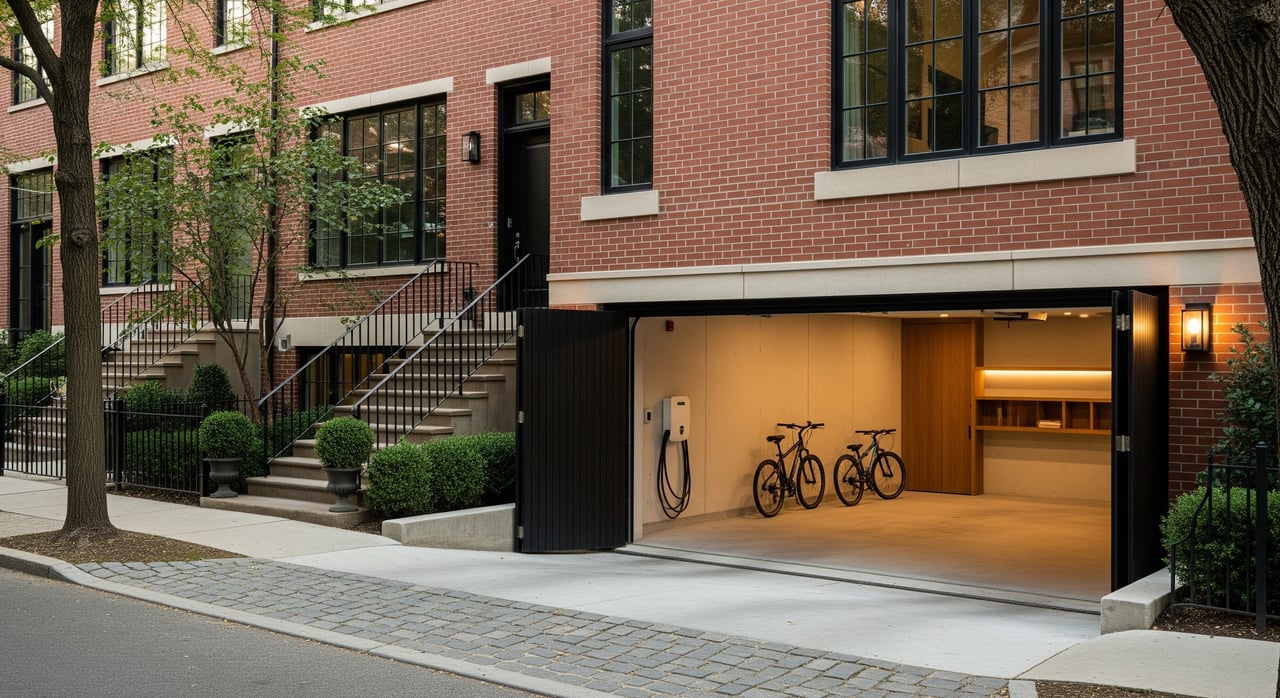
Garages provide covered parking, gated access, and more consistent security. They are usually the most expensive long-term option, but the reliability and winter protection are big perks. You’ll see these attached to larger residential buildings or run by commercial operators.
Many condos in the area offer deeded spaces or assigned spots through the HOA. A deeded space is its own property interest that can transfer with your unit, which can help with resale. Assigned or HOA-rental spots can be convenient but may come with waitlists or separate fees.
Listings appear on parking marketplaces and neighborhood boards, ranging from driveway spots to small private lots. These can be flexible and sometimes cheaper, but check security, access hours, and cancellation policies before you commit.
Prices shift with seasonality, location, and security. Covered garages and secured access push costs higher. Proximity to CTA Blue Line stations and busy commercial corridors can also affect demand.
Rather than lock in a single number, use a quick market check to get live pricing for your specific address and timing.
Parts of Wicker Park and Bucktown fall within Residential Parking Permit (RPP) zones. If you qualify, a permit can make overnight and resident parking easier on certain blocks. For eligibility, documentation, fees, and zone maps, check the City of Chicago’s official Residential Parking Permit program.
What to confirm before you apply:
Street cleaning days, loading zones, and special event restrictions change block to block. Always read the signs on your exact side of the street. If in doubt, move your car to avoid tickets or towing.
Chicago’s snow policies matter a lot if you rely on the curb. Heavy snow events can trigger restrictions and towing on certain routes, and some overnight bans apply seasonally regardless of snowfall. Review the city’s current rules and alerts on the winter overnight parking ban and snow alerts page.
Smart winter tips:
Public charging is growing across Chicago, including Level 2 and some DC fast options. To see what’s near your address, browse the neighborhood on the PlugShare map. You can filter by connector type, network, and speed.
If you own a condo, check whether the garage already has charging or is pre-wired. Many older garages need upgrades and HOA approval for new installs. Ask about metering, who pays for electricity, and whether individual spaces are eligible for an outlet or Level 2 charger.
Renters should ask management if on-site charging is available or if installation is permitted. Tenant-installed chargers are usually more complex, so clarify what is allowed in writing.
Public charging costs vary by network and charger speed. DC fast charging costs more per session than Level 2. Home or garage charging costs depend on your electricity rate and whether separate metering is required by your building.
Before installing equipment, ask about permits and code. You can also review local utility and state resources for potential incentives and education, such as ComEd’s EV programs. For state-level programs, monitor the Illinois Environmental Protection Agency for current offerings.
| Option | Cost clue | Reliability | Best for |
|---|---|---|---|
| On-street permit | Lowest ongoing cost | Lowest, varies by block and time | Flexible drivers who move cars often |
| Outdoor lot | Lower to mid cost | Moderate, weather exposure | Budget-minded drivers who want a dedicated spot |
| Indoor garage | Higher cost | Highest, covered and secured | Commuters and winter drivers, EV owners where chargers exist |
| Deeded/assigned | Purchase price or HOA/rental fee | High, tied to unit | Condo owners focused on long-term value |
Use this checklist before you sign on the line:
Parking in Wicker Park and Bucktown is manageable once you match your habits and budget to the right option. On-street permits can work if you move your car often and watch the signs. Outdoor lots trade weather exposure for lower monthly cost. Garages deliver the most reliability and winter peace of mind, and deeded spaces can add clarity and value for condo owners. If you drive an EV, plan charging early so you are not scrambling after move-in.
If you want a parking plan that pairs seamlessly with your next apartment or condo, the local team at The Michael Scavo Group can help you weigh building options, spot policies, and neighborhood trade-offs as part of a concierge search. Find your apartment, then pick the parking that fits your life.
Stay up to date on the latest real estate trends.