Which Wicker Park or Bucktown Apartment Fits You?
June 4, 2026
June 4, 2026
Trying to choose between Wicker Park and Bucktown apartments? You are not alone. These two Chicago neighborhoods are often grouped together, which can make your search feel simple at first and surprisingly confusing once you start touring. The good news is that the difference usually comes down to how you want your day-to-day life to feel, and this guide will help you sort that out clearly. Let’s dive in.
Wicker Park and Bucktown share a lot. Both are known for independent shops, strong food scenes, creative energy, and easy access to transit. Both also support a walkable, car-light lifestyle that appeals to renters who want convenience without giving up neighborhood character.
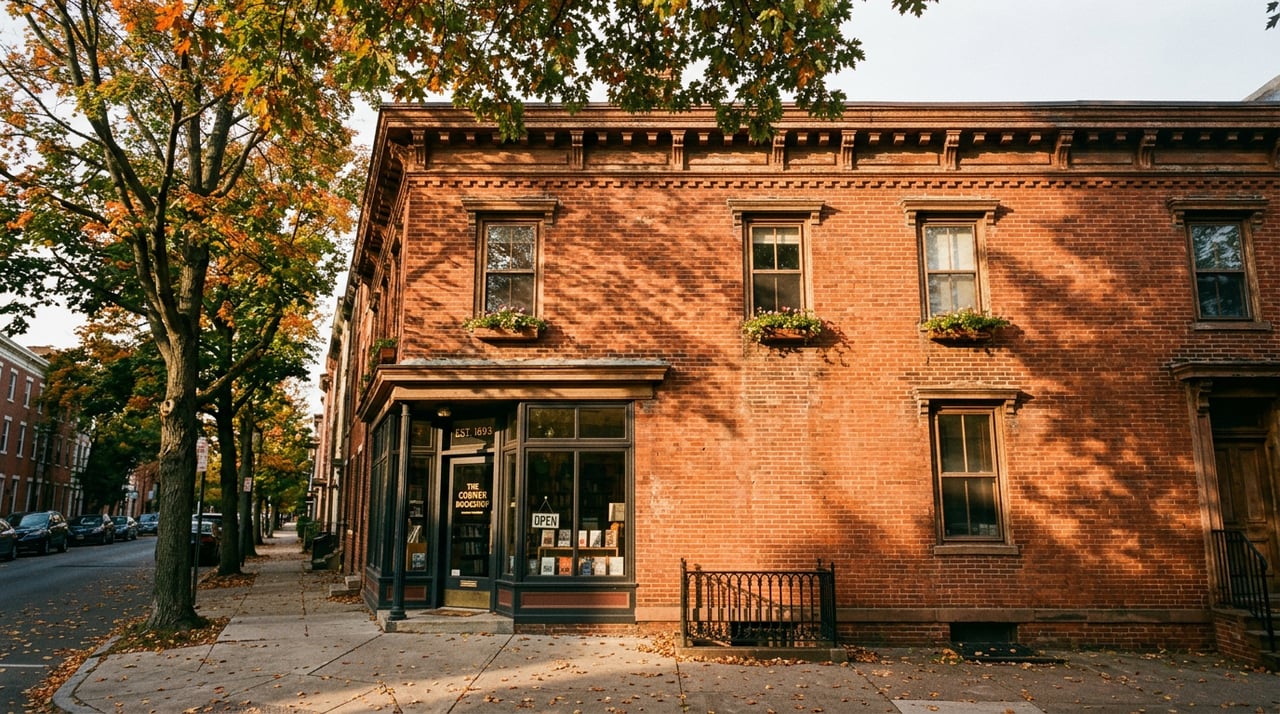
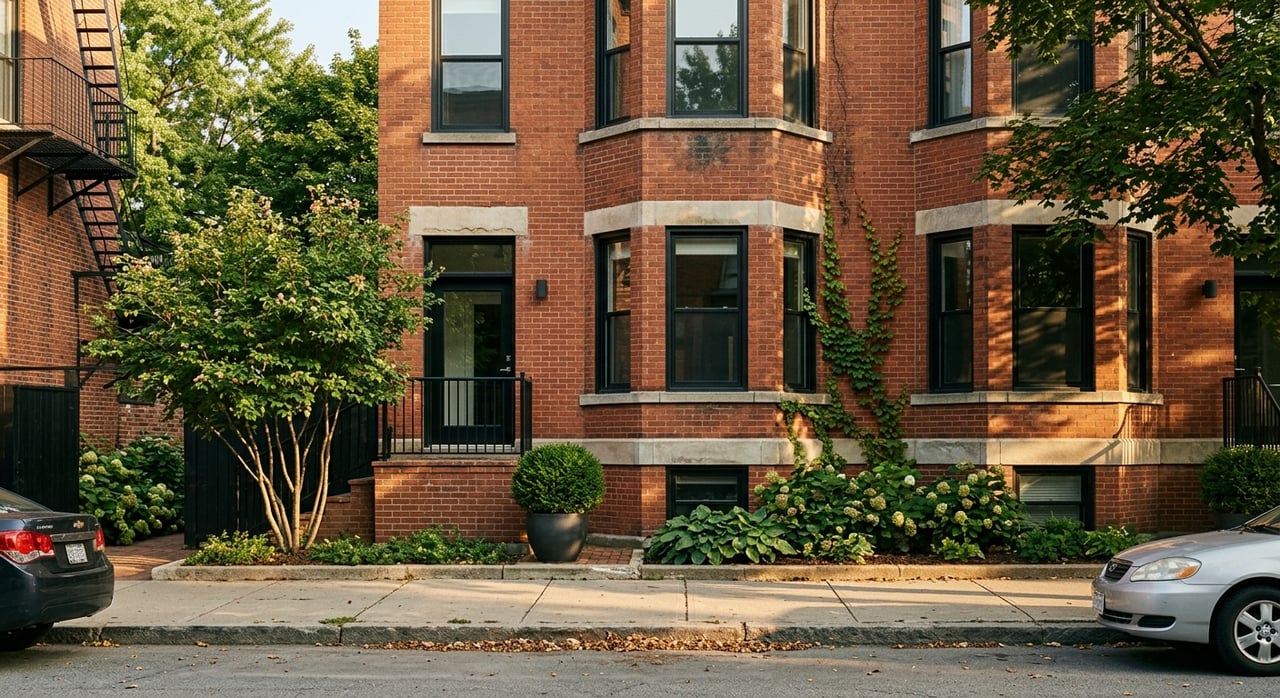
The biggest difference is often the feel of the block outside your front door. Wicker Park tends to read busier and more active, especially around Six Corners and Division Street. Bucktown tends to feel more tree-lined, laid-back, and residential, even while staying close to many of the same amenities.
If you like stepping outside and being close to restaurants, bars, coffee shops, music venues, and late-night energy, Wicker Park usually stands out. Local neighborhood guides describe it as a hub for dining and nightlife, with Six Corners and Division Street acting as key activity centers.
That active feel can be a real plus if you want your social life built into your location. It can also mean more foot traffic and a stronger sense of movement throughout the day and into the evening. For some renters, that is exactly the point.
Bucktown offers a similar overall location advantage, but the street experience often feels calmer. Local guides describe it as tree-lined and laid-back, with green spaces, cafés, corner bars, and Holstein Park helping shape its identity.
If you want access to the same broader Wicker Park-Bucktown ecosystem but prefer a quieter home base, Bucktown may feel like a better fit. You can still be close to action without feeling like you live in the middle of it.
From a practical standpoint, both neighborhoods perform very well for everyday living. Wicker Park has a current Walk Score of 96, Transit Score of 76, and Bike Score of 96. Bucktown is close behind at 93, 73, and 94.
In plain English, both are excellent if you want to run errands on foot, bike regularly, or rely on transit. You are not choosing between convenient and inconvenient here. You are choosing between two very convenient neighborhoods with slightly different daily rhythms.
Walk Score data also shows a small edge for Wicker Park in food and drink density. Wicker Park has about 275 restaurants, bars, and coffee shops, while Bucktown has about 246.
That helps explain why Wicker Park often feels a little more packed with activity. If you want the highest concentration of options within a short walk, Wicker Park has the edge. If you want a similar lifestyle with a touch more breathing room, Bucktown often checks that box.
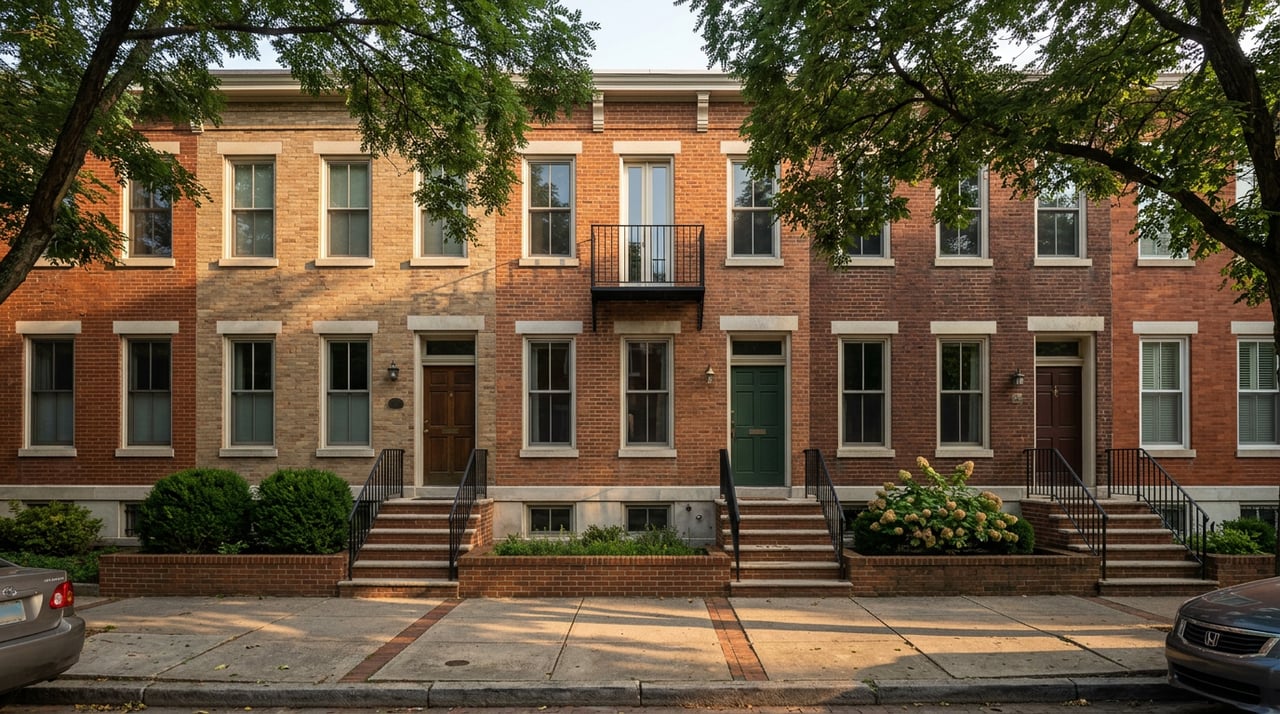
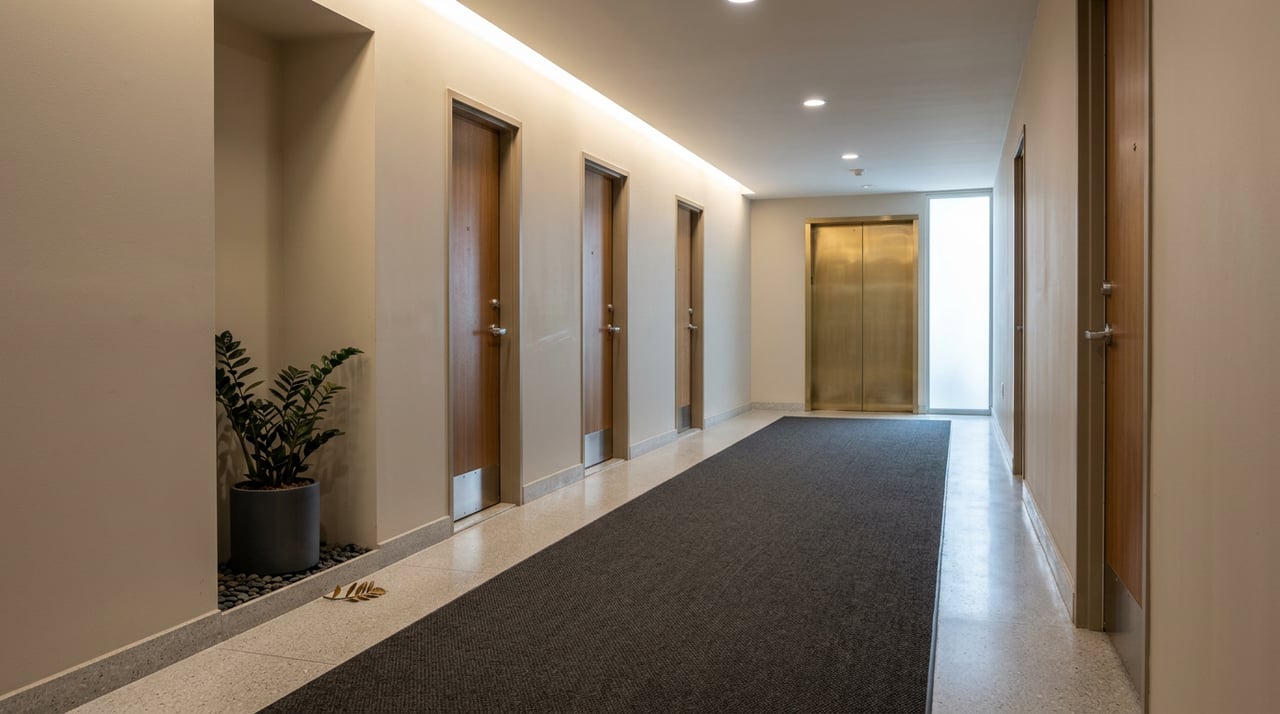
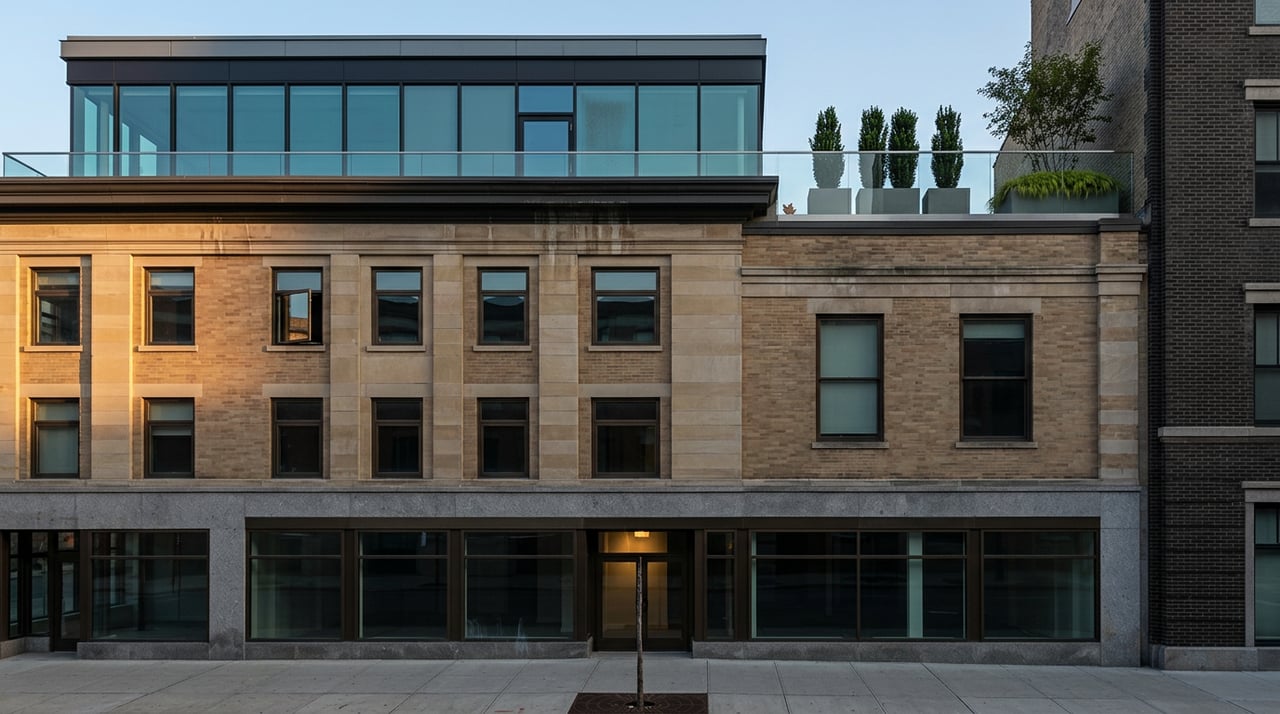
Both neighborhoods offer a blend of housing styles rather than one single apartment type. Based on local history and current housing guides, renters can expect to see vintage walk-ups, loft-style spaces, 3- to 4-unit buildings, renovated older homes, and newer construction.
That mix gives you options, but it also means your search can change quickly block by block. One street may feel more classic and residential, while another may lean into loft conversions, mixed-use buildings, or newer infill apartments.
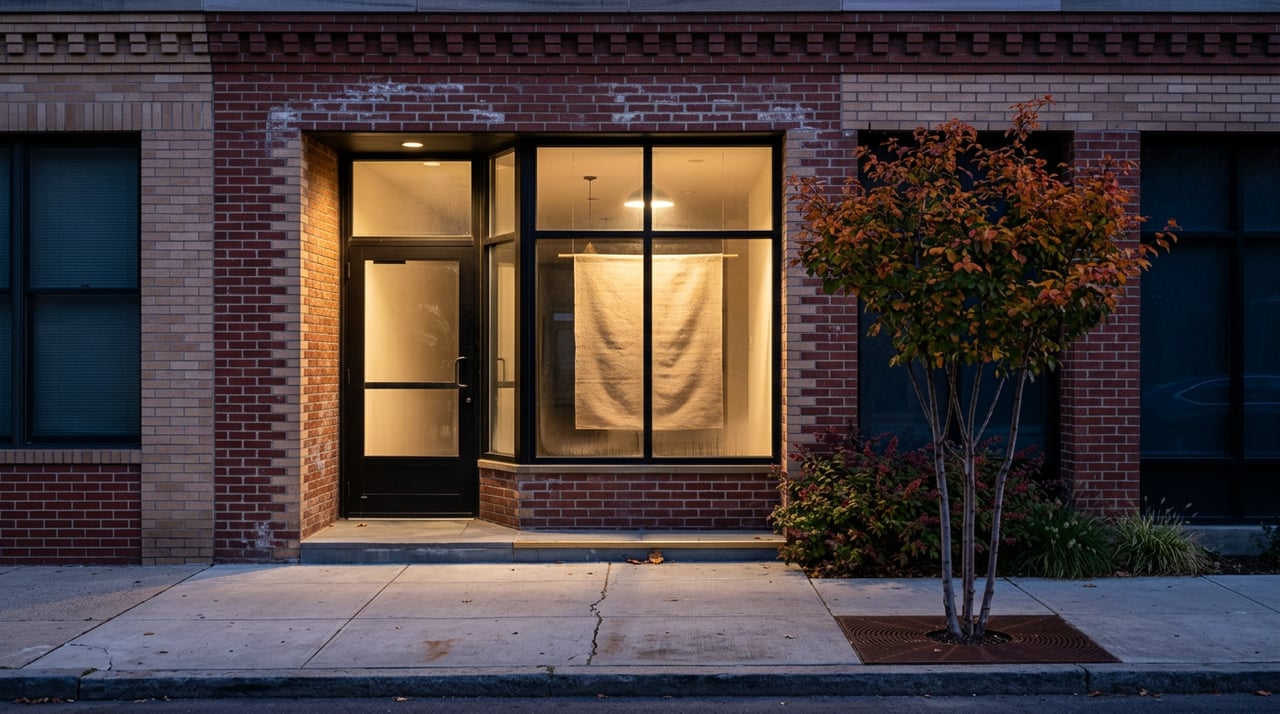
Near Milwaukee, Damen, North, and Division, apartment inventory tends to feel denser and more mixed-use. You are more likely to come across loft conversions, boutique low-rises, and buildings with a more urban, high-activity feel.
On quieter side streets, the housing stock tends to feel older and more residential. This is one reason apartment hunting here works best when you focus on specific blocks, not just neighborhood names.
For renters who care about commuting, both neighborhoods benefit from strong CTA access. The Blue Line runs 24 hours a day between O’Hare and Forest Park through downtown Chicago, and the area is served by the Division, Damen, and Western stations.
That makes both Wicker Park and Bucktown appealing if you want strong downtown access or an easier airport connection. If you are trying to live car-free or car-light, this is one of the biggest practical advantages of the area.
The Wicker Park Bucktown Chamber notes that the three Blue Line stops along Milwaukee Avenue each have their own flavor. That is a helpful reminder that your commute experience is not just about the neighborhood name. It is also about how close you are to the station, how busy your street feels, and what kind of daily route you want.
If transit access is high on your list, it is smart to compare listings by exact location, not just by zip code or neighborhood label. A well-placed apartment can make your routine much easier.
One major perk both neighborhoods share is The 606. This 2.7-mile repurposed rail line connects Wicker Park, Bucktown, Humboldt Park, and Logan Square, and it adds real value for walking, biking, and outdoor time.
If you like getting outside without leaving the city, this is a meaningful lifestyle feature. It strengthens the appeal of both neighborhoods and gives renters another reason to think beyond the apartment itself.
If you are torn between the two, the best move is usually simple. Tour one busier Wicker Park block and one calmer Bucktown block on the same day.
That side-by-side comparison often tells you more than hours of scrolling apartment listings. In this part of Chicago, the real difference is often block-level, not neighborhood-wide.
When you are sorting through options, speed and local context matter. That is where a guided search can save you time, especially if you want tailored picks and efficient tour planning instead of guessing which listings fit your lifestyle. If you want help narrowing down Wicker Park or Bucktown apartments, The Michael Scavo Group can help you move faster with a transparent, concierge-style search.
Stay up to date on the latest real estate trends.